River Hazards & Opportunities (Cambridge International IGCSE Geography)
Causes of River Hazards
Spec point —
2.2.5· Demonstrate an understanding that rivers present hazards
-
The main river hazards are flooding and erosion
-
Rivers flood when the water in them reaches bankfull discharge and then overspills across the floodplain
-
Flooding occurs as the result of two main causes:
- If there is a period of heavy, torrential rain leading to high levels of overland flow because the water cannot infiltrate
- A prolonged period of steady rain means that the ground becomes saturated, leading to high levels of overland flow because the water cannot infiltrate
-
There are other natural causes of river flooding, which include:
- landslides
- snow and ice melt
- storm surges push water up the river channel
-
Although the root cause of flooding is precipitation, the risk of flooding can be increased by human activities such as
- urbanisation
- deforestation
- building of bridges and dams
- human-induced climate change
- agriculture
-
Flooding often goes hand in hand with erosion of the banks, as both result from increased discharge and velocity
Hazards of flooding and erosion
-
Flood waters may increase the spread of water-related diseases;
- The water may act as a breeding ground for the animals that spread disease, for example, the mosquito
- The water may be contaminated by bacteria, which can spread diseases such as cholera
-
Deaths and injuries as floodplains are often densely populated due to the fertile soils
-
Bridges and transport routes may be damaged or destroyed by the flood waters
-
Erosion of the river banks leads to the loss of farmland, housing and transport routes
-
Destruction of crops
-
Increased insurance costs
-
Lower house prices
Opportunities
-
As well as the hazards, there are many opportunities provided by rivers:
-
The silt deposited during flooding is often rich in minerals and nutrients
- This makes it ideal for growing crops
-
Rivers are a source of food
-
The floodplains are flat land
- Construction and building of transport networks easier
-
Water can be used to irrigate farmland
-
Leisure and tourism
-
Generating electricity
-
Transporting goods and people
-
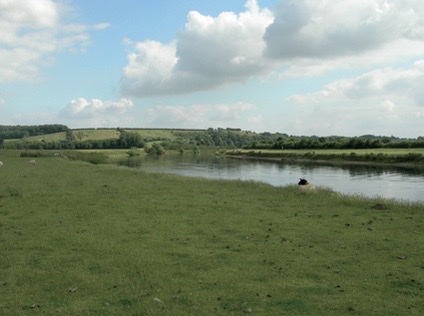
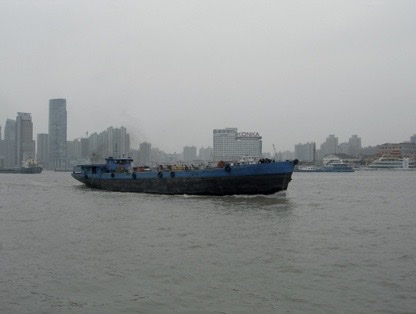
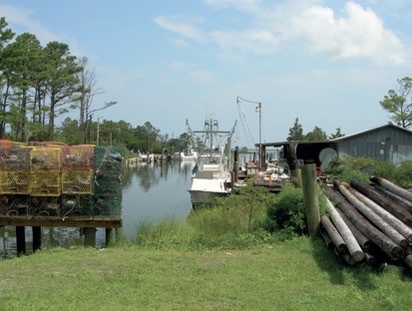
Worked Example Study Fig. 1.1, 1.2 and 1.3, which are photographs of three different rivers
Fig 1.1
Fig 1.2
Fig 1.3
Using evidence from Figs. 1.1, 1.2 and 1.3 only, describe three different benefits of living near a river.
[3 marks]
Final answer: Answer
- Agriculture/grazing/farmland/fertile soils/growing crops/cultivation/keeping animals [1]
- Fishing/fish market/fish farming [1]
- Transportation/moving cargo/imports/exports [1]
- Tourism [1]
- Industry [1]
- Flat land for building [1]
Exam Hint Remember when a question states to use evidence 'only' from the resources provided, you cannot include anything that is not shown in the resource(s).
Was this revision note helpful?
Build on this topic