Sources of Water Pollution (Cambridge International IGCSE Environmental Management)
Sources of water pollution
- Water pollution occurs when harmful substances enter rivers, lakes, groundwater or oceans
- This makes water unsafe for drinking, farming, fishing or wildlife
- Pollution can come from homes, farms, factories and improper waste disposal
- Understanding the main sources helps explain how water quality becomes degraded
Domestic waste
- Homes can produce many pollutants that enter drains and rivers
Soaps, detergents and cleaning products
-
Contain chemicals that reduce water quality
- Toxic chemicals from these types of products can kill fish or contaminate drinking water
Cooking oils and fats
- Oils washed down sinks form greasy layers on water surfaces and can clog drainage systems
Household rubbish and litter
-
Items like wrappers, tissues or packaging can be carried into drains
- These can block waterways and harm aquatic wildlife
Medicines and personal care products
-
Medicines, shampoos or cosmetics flushed down drains introduce chemicals and hormones
- Some of these substances can affect fish health and reproduction
Paints, oils and solvents
-
Improper disposal through sinks or drains introduces toxic substances
- These can poison aquatic organisms and contaminate water supplies
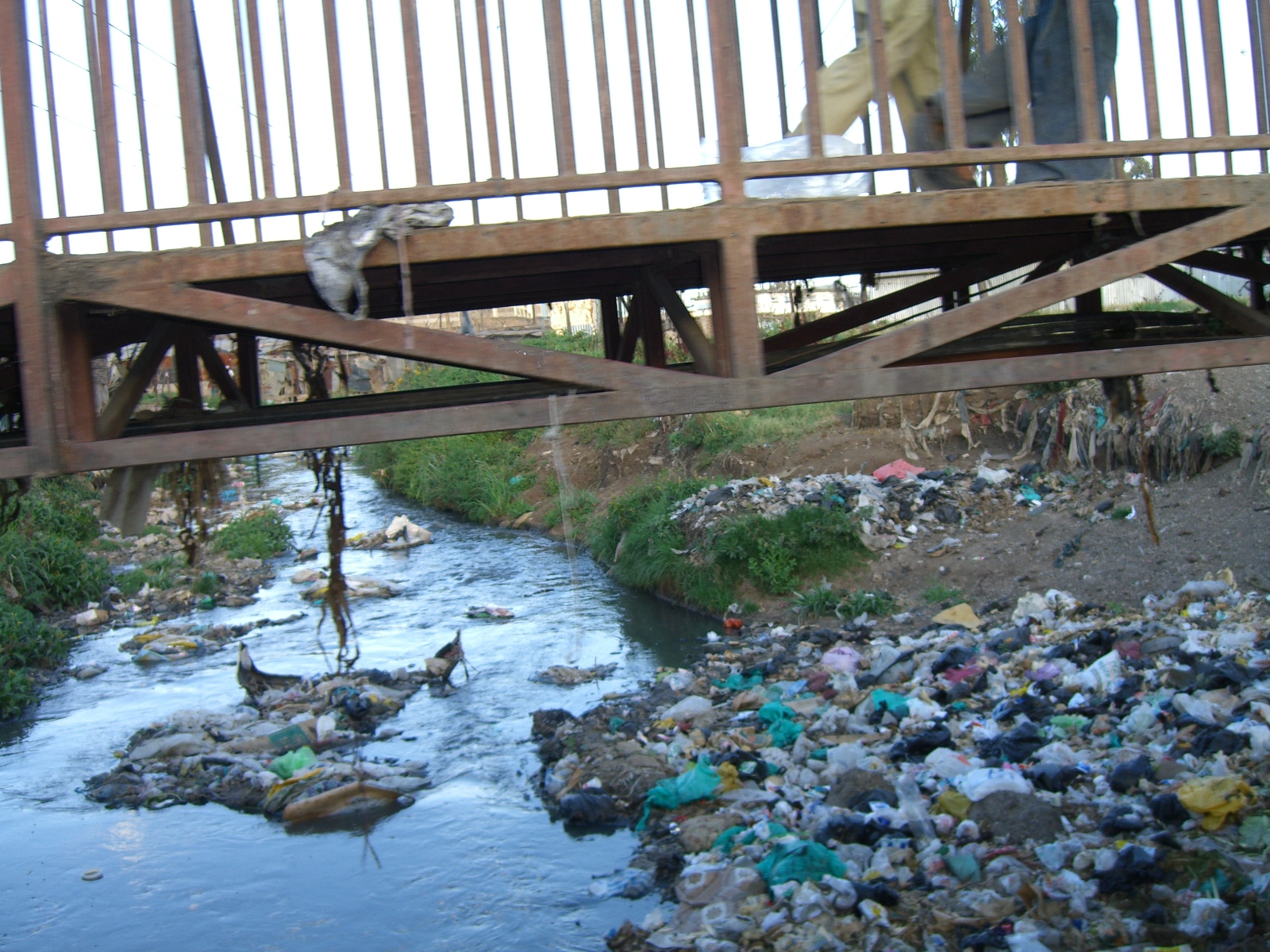
A polluted stream heavily littered with domestic waste
khyk54, CC BY 2.0, via Wikimedia Commons
Sewage
-
Sewage contains harmful microorganisms and organic waste
-
Untreated sewage entering rivers spreads disease-causing bacteria and viruses
- This can lead to outbreaks of diseases such as cholera if people use the water for washing or drinking.
-
Organic waste increases biological oxygen demand (BOD)
- Biological oxygen demand is a measure of how much oxygen microorganisms need to break down organic waste in water
- When lots of sewage or organic matter enter a river, bacteria use more oxygen to decompose it
- High BOD means oxygen levels drop, leaving less oxygen for fish and other aquatic life
- Low oxygen can cause fish to suffocate
Plastic waste
-
Plastic bags, bottles and packaging enter rivers and oceans
- These take hundreds of years to break down
-
Wildlife may mistake plastic for food
- This can block the digestive system and cause death
-
Microplastics form when plastics break into tiny pieces
- These can be ingested by aquatic organisms and enter the food chain
Industrial processes
-
Factories may release chemicals, heavy metals and hot water
- Toxic heavy metals, such as mercury or lead, can poison aquatic life
- Warm water from industrial cooling systems causes thermal pollution
- Warmer water holds less oxygen, stressing fish
-
Industrial spills or leaks can contaminate large areas quickly
Agricultural practices
-
Fertiliser run-off contains nitrates and phosphates
- This causes algae growth and can lead to eutrophication
-
Pesticides wash off fields and contaminate water
- This can poison aquatic insects, fish and other wildlife
-
Animal waste from farms can wash into rivers
- Increases bacteria levels and reduces water quality
Exam Hint Students sometimes mix up domestic waste and sewage. Remember: domestic waste includes everyday household rubbish and wastewater (containing soaps, oils, detergents, etc.), while sewage specifically contains human waste and harmful pathogens from toilets and drains.
Was this revision note helpful?
Build on this topic