Detailed Specific Example: Mumbai, India (Cambridge International IGCSE Geography)
Specification link
This page covers part of section 7.3.2 of the CIE IGCSE specification.
-
7.3.2- One detailed specific example of a named urban area to include:
- Causes of urban growth
- Challenges and opportunities brought about by urban growth
- The strategies and techniques used to manage urban growth; including sustainable..
Causes of urban growth in Mumbai, India
Spec point — One detailed specific example of a named urban area to include: • causes of urban growth • challenges and opportunities brought about by urban growth • the strategies and techniques used to manage urban growth; including sustainable.
Causes of urban growth in Mumbai, India
Background
-
Mumbai is the capital city of the Maharashtra state on the western coast of India
-
Originally, Mumbai was a number of separate islands
-
These were joined through large-scale land reclamation and causeway projects
-
Mumbai has more millionaires and billionaires than any other Indian city, but also the highest rates of poverty
- Mumbai contributes 31% of India's entire tax revenue
-
Mumbai is the commercial and financial capital of India
-
Its growth is in hi-tech, call centres and online banking
- The Bombay Stock Exchange (BSE) secured Mumbai's position as a financial hub, attracting banks and financial institutions
-
Approximately, 40% of Maharashtra state’s income come from Mumbai alone
-
-
Mumbai has always been a significant trading port and remains the wealthiest city on the north-west coast of India
- Over 60% of India’s trade is through Nhava Sheva container port
-
Mumbai has air transport links to many world cities and is popular with international tourists
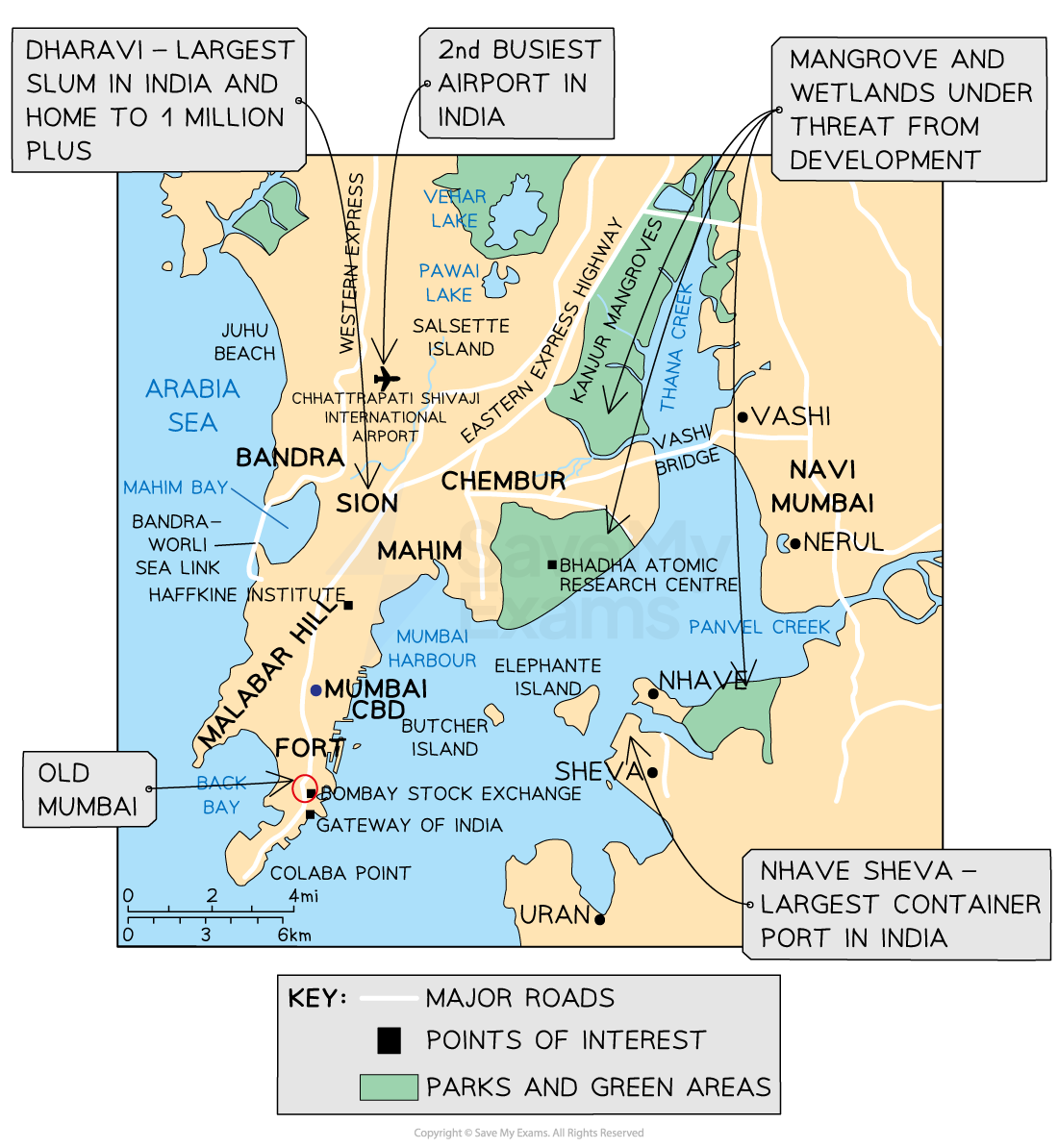
Mumbai was once 7 separate islands, now merged into one region
Mumbai's growth
-
Mumbai's urban growth is a combination of
- Natural increase through high birth rates
- **Rural-to-urban migration – **an estimated 60% of people moving to Mumbai are from villages within the state of Maharashtra
- Most migrants are male, and aged 20-21 years
-
**Mumbai **is India's most populous city and its growth has been large and steady
-
In** 1950**, Mumbai had a population of 1.6 million people and increased 10-fold to 16 million by 2000
-
In** 2024**, there were an estimated 25 million people living in the Mumbai Metropolitan Region (MMR), which **includes 12.6 million people **within the city of Mumbai itself
-
Due to limited physical expansion, Mumbai has the second highest population density in the world, with 26,357 persons per km2
-
Approximately** 3 million people commute daily** into the city
Pull factors
-
Mumbai offers better job prospects and higher wages
- Large multi-national companies such as Coca-Cola and Tata Steel provide employment and generate income across the region
-
Mumbai has better access to education, healthcare, and improved living conditions compared to rural areas
-
Mumbai is home to Bollywood, which is the biggest film industry in the world
- Mumbai is a significant global fashion centre, from affordable street markets to luxury designer boutiques and international fashion shows
Push factors
- Maharashtra state is more rural than Mumbai and half of the population works in agriculture
- Farming has undergone massive changes in India in recent decades
- The increased use of machinery has forced people out of work
- Small-scale farmers are vulnerable to bad weather and poor harvests and some are forced to sell up and migrate
- Many young people see farming as hard work with long hours and low pay
Housing in Mumbai, India
Spec point — One detailed specific example of a named urban area to include: • causes of urban growth • challenges and opportunities brought about by urban growth • the strategies and techniques used to manage urban growth; including sustainable development.
Housing in Mumbai, India
- Rapid urban growth has led to a significant increase in rural-to-urban migration, resulting in one of the largest unplanned settlements globally
- Dharavi is home to about 1 million residents and occupies an area equivalent to 500 football pitches
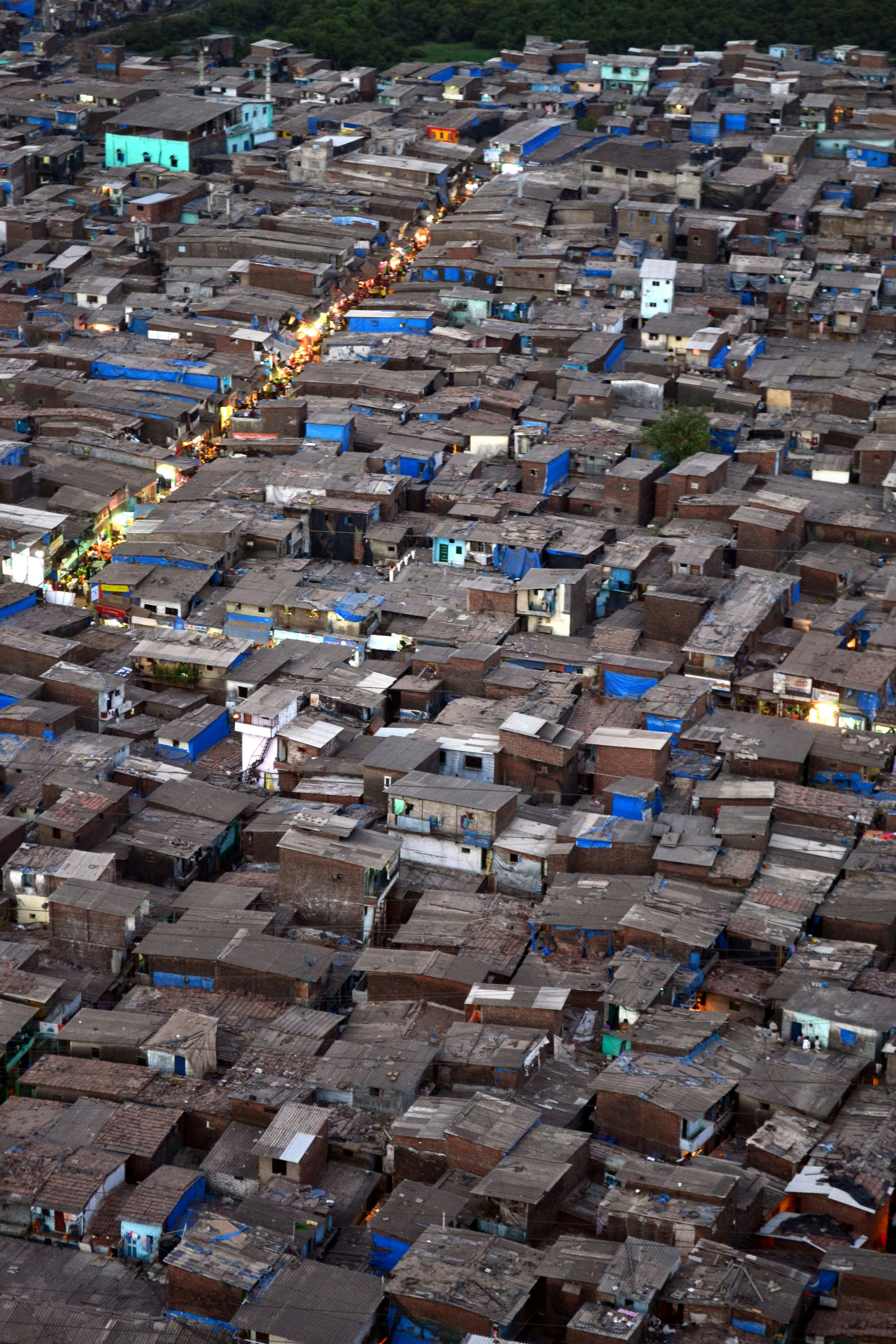
Dharavi informal settlements, Mumbai. Photo by Kunal Kalra on Unsplash
-
Residents in Dharavi face severe challenges, including inadequate:
- Water supplies
- Sanitation
- Waste services
-
Poor infrastructure and transport contribute to increasing pollution, leading to waterborne diseases like cholera and typhoid
-
The government plans to redevelop Dharavi into high-end real estate due to rising land prices and limited space
-
There are over 12,000 companies, 58,000 families, and more than 100,000 people who work in the informal economy, mostly in leather, ceramics, and textiles in Dharavi
-
Authorities are considering two approaches to improve housing through the Slum Rehabilitation Scheme
- a bottom-up approach with NGO assistance
- a top-down approach involving demolition and new construction
Redevelopment of Dharavi
- The 2004 scheme for the Dharavi Redevelopment Project never happened, but in October 2022, new plans were made to deal with the problem of informal housing
- The government invited companies to submit proposals for redevelopment
- The Adani Group won the bid to replace informal housing with high-rise apartments
- The Adani Group plans to provide free housing with essential services for displaced residents, affecting around 68,000 people
- To qualify for new housing, residents must prove their informal homes were built before January 2000, raising concerns among long-term residents
- Many residents and business owners are worried that high-rise developments will erode the community spirit and and have a negative influence on the informal economy
- Residents and business owners say they weren't consulted on the development plans
- There is uncertainty about details like room sizes in the new apartments
- This poses a problem for extended families if they only receive one apartment
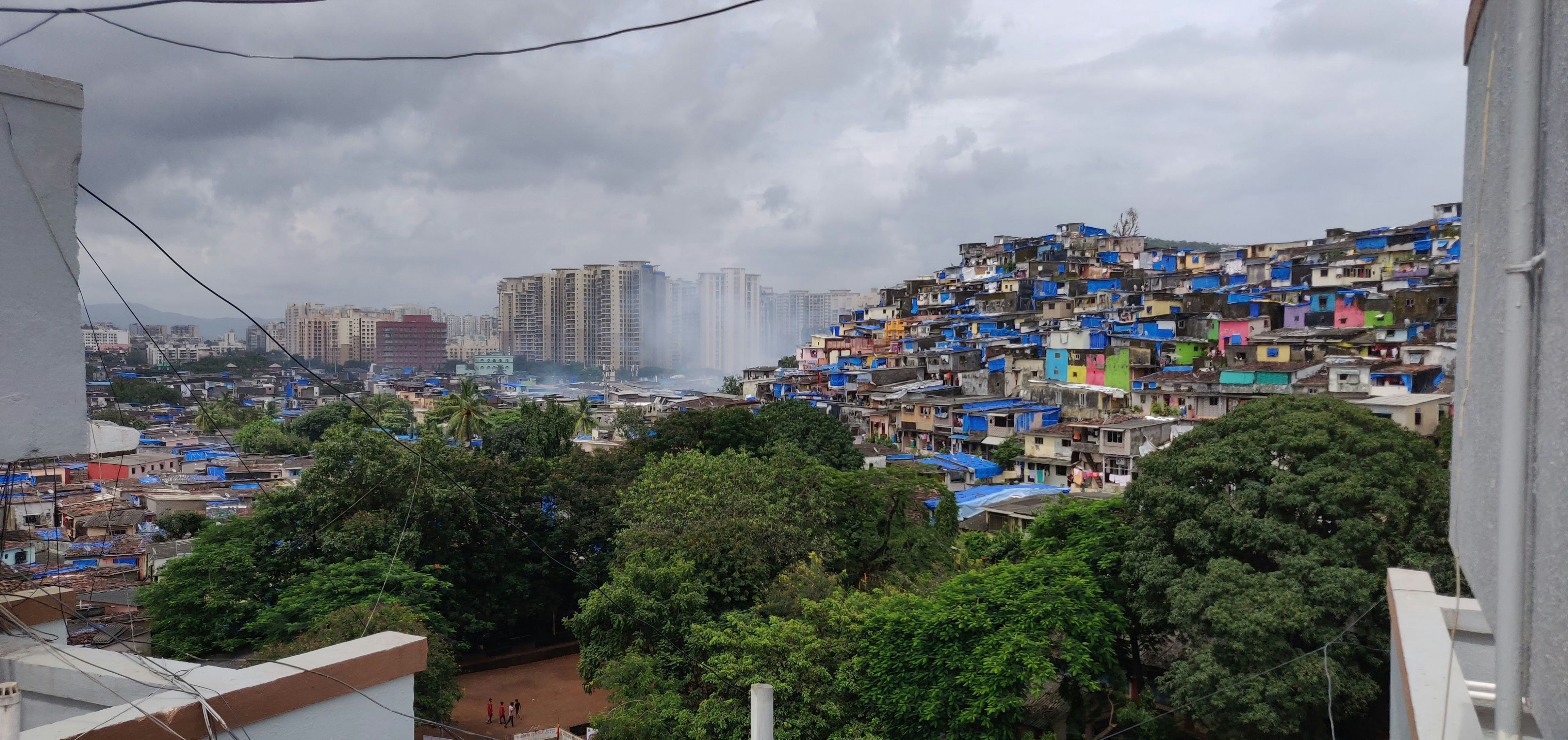
Dharavi slum next to high-rise apartments Photo by Prikesh Savla on Unsplash
Transport in Mumbai, India
Spec point — One detailed specific example of a named urban area to include: • causes of urban growth • challenges and opportunities brought about by urban growth • the strategies and techniques used to manage urban growth; including sustainable development.
Transport in Mumbai, India
- The city faces challenges related to traffic congestion, air pollution, and the impact of suburbanisation on transport infrastructure
- The World Health Organisation (WHO) ranks Mumbai as the fourth most polluted megacity in the world
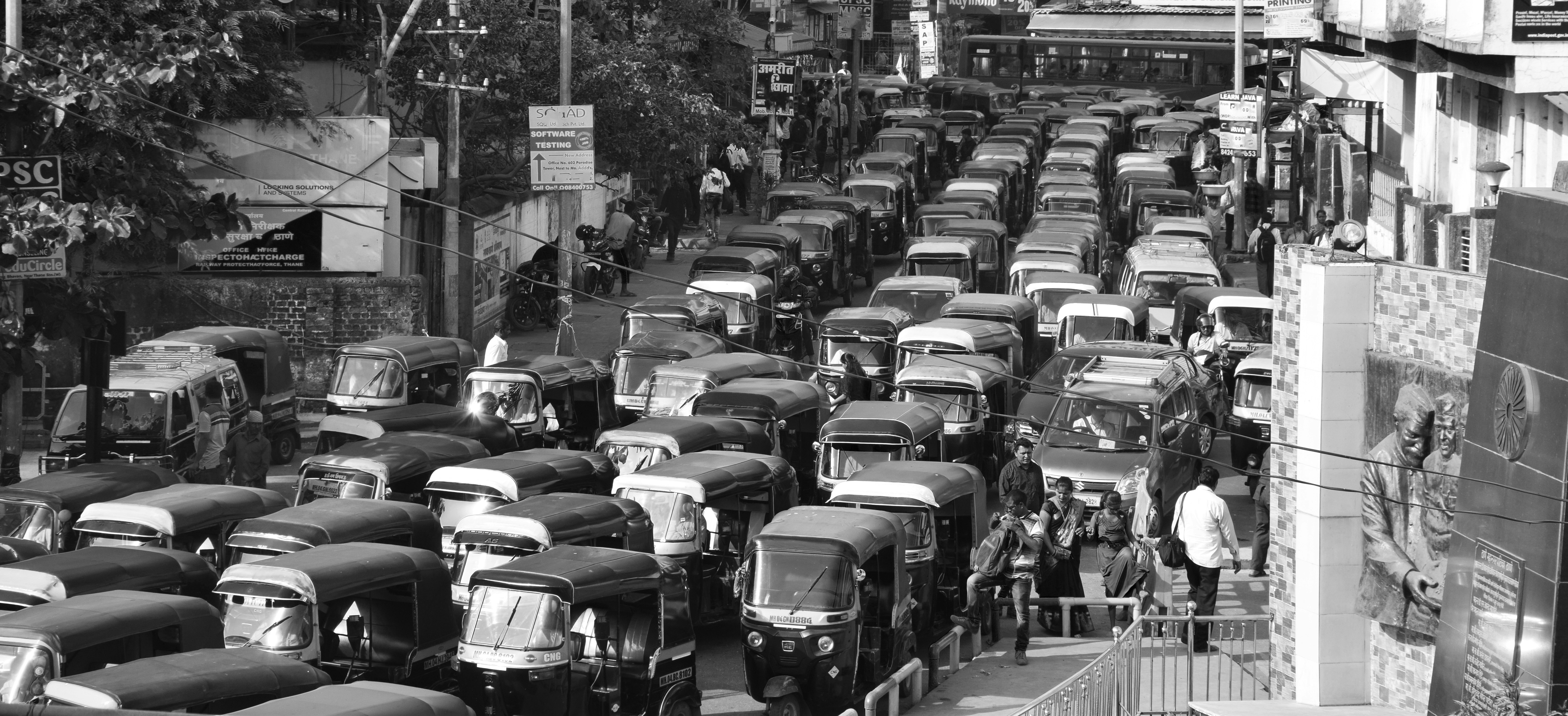
Crowded and congested road in Mumbai. Photo by grayom on Unsplash
-
Car ownership is expensive which leads many people to rely on public transport
- This reliance contributes to overcrowding and air pollution, particularly from older, inefficient vehicles
-
Furthermore, Mumbai's suburban growth has increased transport demand and infrastructure upgrades
-
Mumbai has a train and bus network but these are also often overcrowded and face capacity issues
-
Due to narrow streets, public transport often struggles to reach informal settlements, forcing residents to walk and increasing the risk of accidents
Mumbai's train network
-
Mumbai's rail network is the busiest in the world
-
The rail network spans 465 km and carries over 7.5 million commuters daily
-
Trains are overcrowded during peak hours, with commuters often squeezed into carriages
-
More than 2000 people die annually from train-related accidents
- Most deaths are caused by passengers crossing tracks, sitting on train roofs and being electrocuted by overhead cables, or hanging from doors and windows
-
Many strategies and projects have concentrated on improving the supply of transport facilities without sorting the problems of demand
- This has wasted money, caused traffic jams and delayed travel times
Mumbai's monorail system
-
India's first monorail, aims to provide a sustainable and efficient alternative to traditional road-based transportation
-
The Mumbai Metropolitan Region Development Authority (MMRDA) claimed it suited congested areas and could carry 20,000 passengers per hour along a 20 km corridor from Chembur to Wadala to Sant Gadge Maharaj Chowk
-
Long-term goal included land development and economic growth along its path
-
The monorail system has been in commercial operation since 2014, but the number of people using it has been lower than initially projected
-
The system has faced challenges including
- Being over budget
- Having a route that is poorly connected to other forms of transport
- Closest suburban station is 4 km away, increasing travel time and costs
- Issues with maintenance, accidents, and a fire in 2017 shut down services for 10 months
- Overlooking cheaper alternatives like bus rapid transit
- Ridership dropped from 15,000 to 10,000 per day post-closure
-
Despite the challenges, the Mumbai Monorail is India's only working monorail system
-
System improvements, including upgrades and more regular services, are ongoing
Mumbai's metro plan
-
Construction of the metro began in 2008 and aims to expand and improve the city's rail-based mass transit system
-
The project links businesses and residential areas in South Mumbai
-
Metro connects the Bandra Kurla apartment complex in Mumbai, the International Airport, and northern residential areas
-
The system aims to transport 17 million passengers daily and hopes to reduce bus and taxi pressure
- It aims to cut private car journeys by half a million daily and promote healthier living with bus and pedestrian pathways
-
The system includes rainwater harvesting and solar panels to reduce its carbon footprint
-
The Mumbai Metro is being built in three phases, over 15 years, with completion expected in October 2026
-
The total cost of the project is approximately $6.84 billion (US)
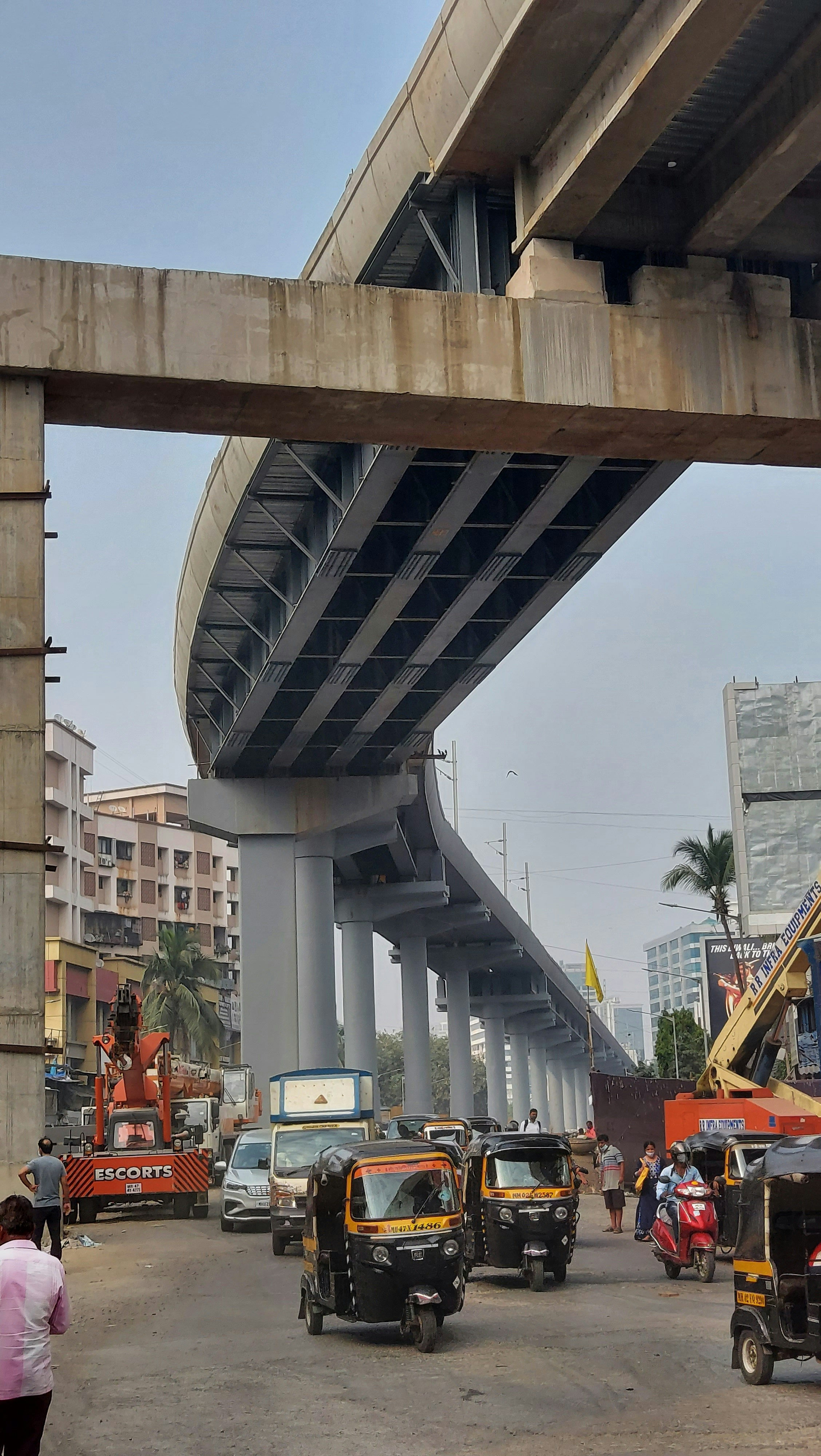
Mumbai metro under construction. Photo by Ansari Altamash on Unsplash
Mumbai's bus rapid transit system (BRTS)
- The system provides efficient public transport
- It features dedicated bus lanes and priority at intersections
- BRTS stations enhance boarding and alighting, with features such as raised platforms and off-board fare collection
- The high-capacity buses carry more passengers which improves reliability and speed while reducing congestion and pollution
- It offers a better option for commuters
- BRTS is cost-effective and uses existing infrastructure
- It promotes sustainable travel by reducing private vehicle use
Green spaces in Mumbai, India
Spec point — One detailed specific example of a named urban area to include: • causes of urban growth • challenges and opportunities brought about by urban growth • the strategies and techniques used to manage urban growth; including sustainable development.
Green spaces in Mumbai, India
Mangrove forests
-
Mumbai's population has grown to over 20 million and existing green spaces are under threat
-
The growth has led to the clearing of mangrove forests for housing and industry
-
Mangroves are vital for air quality
- They moderate temperatures and reduce CO₂ levels
- They filter water and keep rivers clean
- They also provide relaxation spaces
-
In 2017, authorities announced a $1 billion investment to update treatment plants
-
This plan involves cutting down 87 hectares of mangroves
-
Campaigns are underway to protect Mumbai's mangroves with a proposal for a mangrove park in Dharavi
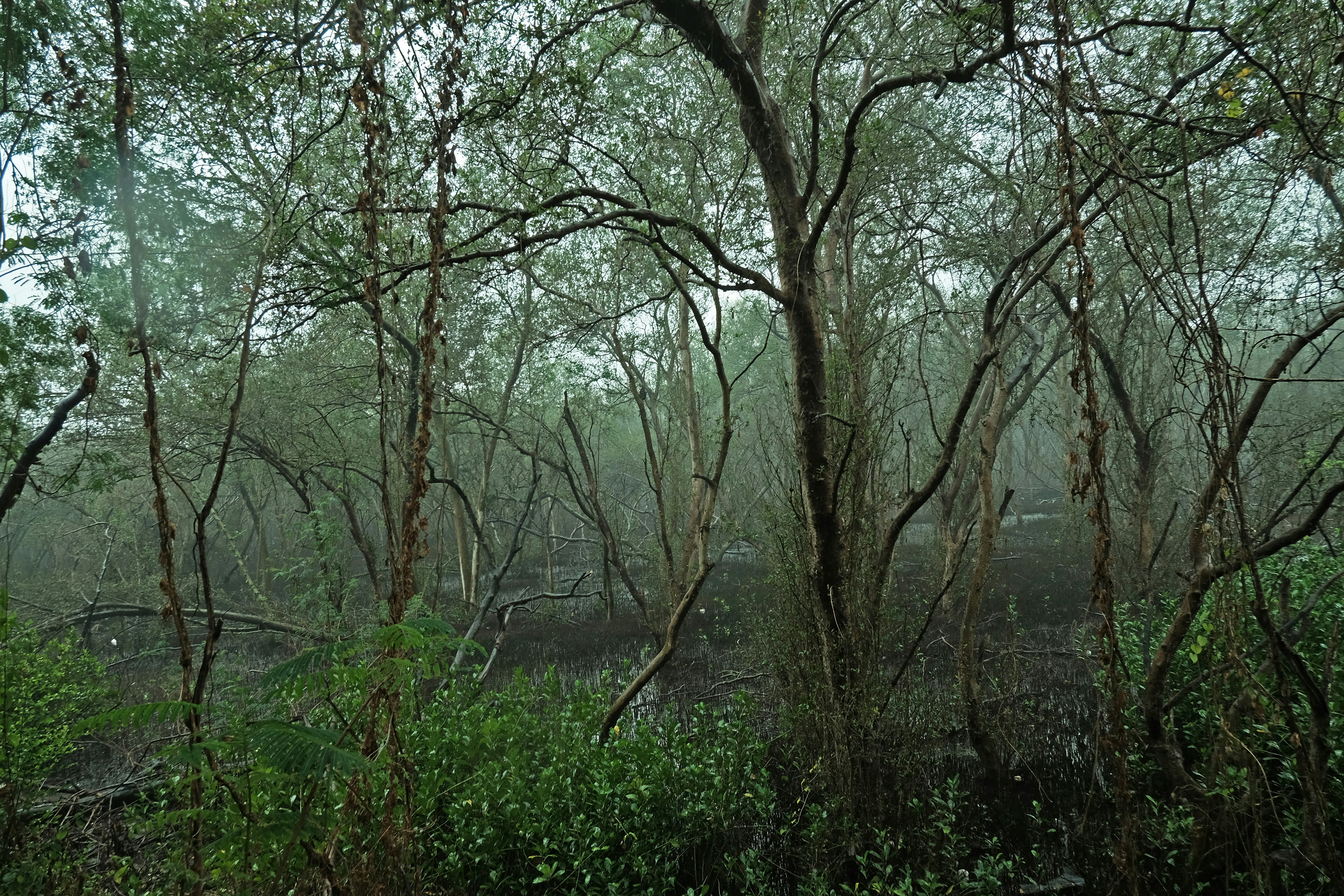
Mangroves Park, Mumbai, Maharashtra, India. Photo by Vanburn Gonsalves on Unsplash
Sanjay Gandhi National Park
- In 1869, the area was designated a reserved forest, named Bombay Forest, to protect the natural landscape from the growing city of Mumbai
- Today this large park provides a significant area of green space, supporting biodiversity and offering recreational opportunities
Urban Forests
- There are efforts to find and protect the last urban forest areas, which are important in keeping the city's microclimate and air quality
- An important urban forest, the Aarey Milk Colony stands between the city and the national park and is a major green area in Mumbai
- The area is a rich diversity of flora and fauna, and it has been a centre of conservation efforts, especially due to its role in protecting the city's green spaces
Community gardens
- These gardens provide a space for residents to grow their food and connect with nature
- Mumbai's Ambedkar Nagar slum is a good example of a community turning a dump site and breeding ground for pests and disease into a recreational community garden
Promenades and cycling tracks:
- Integrating green spaces with urban areas through promenades and cycling tracks promotes active transportation and recreational activities
- Mumbai has several promenades and cycling tracks along its coastline and in various parks
- Popular areas include Marine Drive, which is a famous promenade with a wide track for cyclists and pedestrians
- Other scenic locations for cycling include Sanjay Gandhi National Park and Aarey Milk Colony
- The Mumbai Coastal Road project also includes a dedicated cycle track and promenade along the shoreline
Was this revision note helpful?
Build on this topic