Methods of Production (Cambridge International IGCSE Business)
Introduction to methods of production
-
Businesses can organise their production processes in a variety of ways
-
The method of production used by a business will depend upon a number of factors
- The level of output required to be produced
- The nature of the product
- Whether the product is standardised or customised
- The level of automation used in production
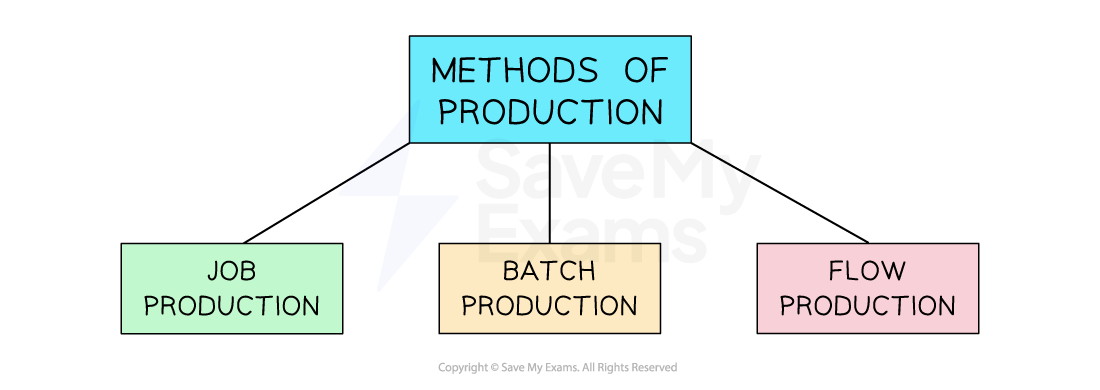
The main methods of production
Job production
Spec point — "job, batch and flow production advantages and disadvantages of job, batch and flow production"
Job production
-
Job production is where products are made to meet the specific requirements of individual customers
- Each item is produced separately, and the production process is tailored to the unique specifications of the customer's order
- It often requires skilled labour, such as craftspeople or technicians, as the manufacturing process may involve specialised techniques
Examples of job production
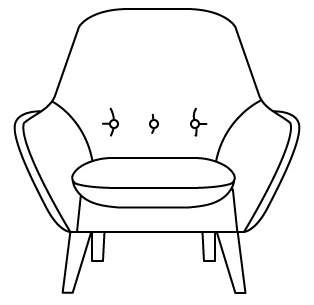
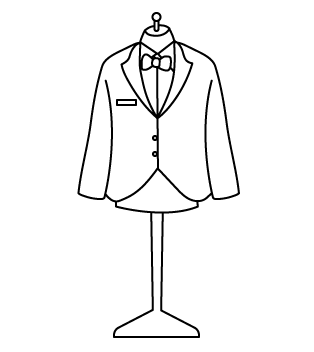
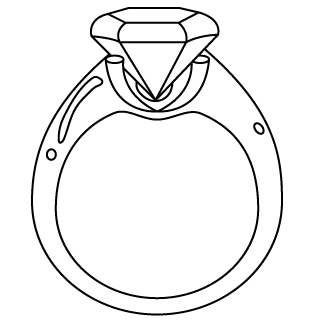
| Furniture made to order Where customers can choose the design, dimensions, materials and finishes | Tailored clothing Such as wedding suits, where each garment is made to fit the specific preferences of the individual customer | High-end jewellery Especially those with unique designs or personalised engravings |
|---|---|---|
 |  |  |
Advantages and disadvantages of job production
| Advantages | Disadvantages |
|---|---|
| - Products can be customised to match each customer's needs - The process is flexible and can adapt to changes in demand - High attention to detail often leads to better quality and higher prices - Customers are often involved in the design, giving them a personal experience - A personalised service can build strong customer loyalty | - Job production is more expensive due to personalised work - Lead times are usually longer, which may not suit customers needing fast delivery - It can be harder to manage and needs careful planning - Close communication with the customer is required throughout - Small output means the business cannot benefit from economies of scale |
Batch production
-
Batch production is when products are produced in groups or batches
- A certain quantity of products is produced together before moving on to the next batch
- Each batch goes through the entire production process, from raw materials to the finished product, before the next batch begins
- Batches are usually of a standardised size and composition *and follow a certain sequence of operations
Goods made using batch production
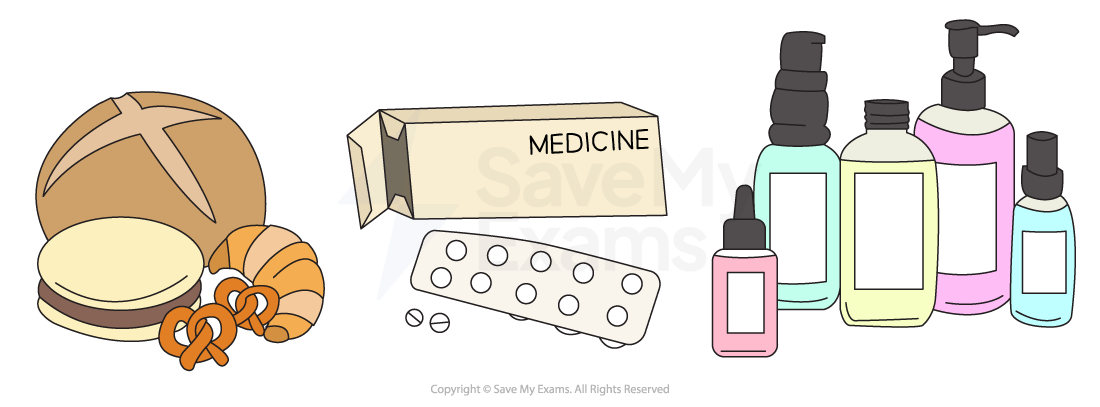
Commonly used in industries such as pharmaceuticals, beauty products and food processing
- Batch production strikes a balance between customisation and cost-effectiveness
- This makes it a suitable production method for industries that deal with diverse product ranges and varying customer needs
Advantages and disadvantages of batch production
| Advantages | Disadvantages |
|---|---|
| - Businesses can switch between batches to meet different customer demands - It is more cost-effective than flow production for smaller quantities - Some purchasing economies can be gained by buying materials in larger amounts than in job production - Defects can be spotted and corrected within a batch before moving on | - Setting up equipment for each batch takes time and may cause delays - Batches often create extra inventory, which needs storage and careful control - It is less flexible than flow production when dealing with changes in demand - Frequent stopping and starting can wear out machines and increase maintenance needs |
Flow production
-
Flow production involves the manufacture of a product in a continuous sequence of operations on a production line
-
Materials or components move through a series of workstations or machines
- Each workstation performs a specific task or operation
-
As a product moves along the production line, it undergoes assembly, testing, packaging or quality control until it is completed
-
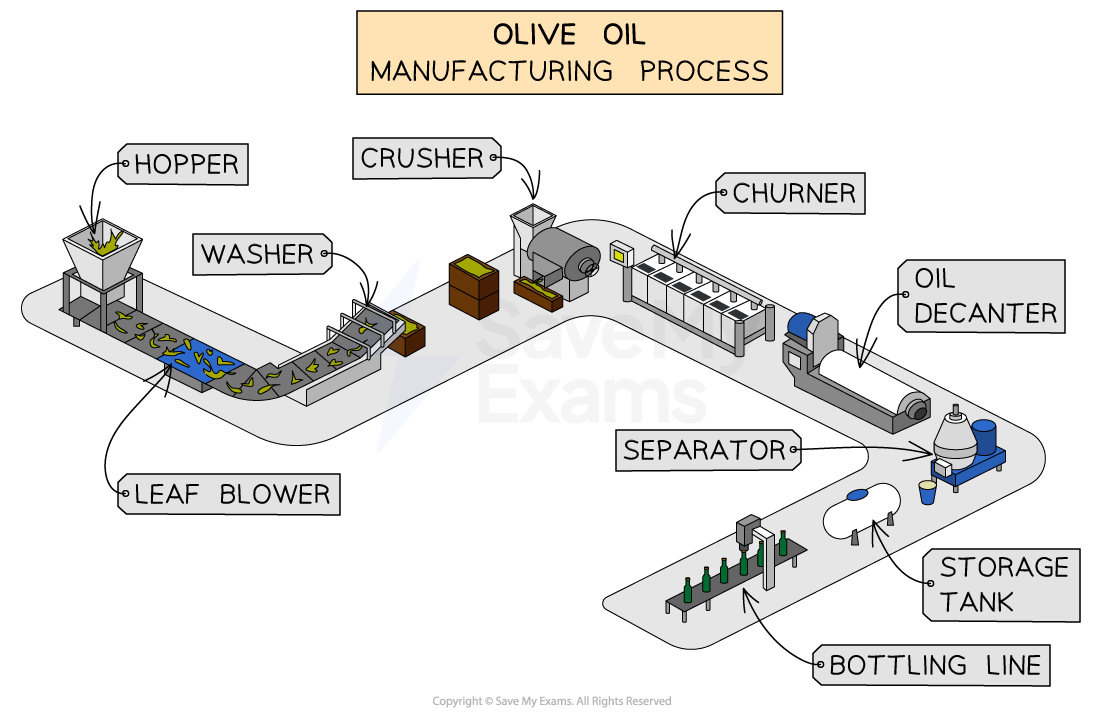
Large olive oil producers use flow production to manufacture standardised products
- This method is commonly used in industries that produce high volumes of standardised products, such as vehicles and consumer electronics
Advantages and disadvantages of flow production
| Advantages | Disadvantages |
|---|---|
| - Continuous production avoids frequent machine start-ups, saving energy and reducing waste - Unit costs are low due to automation and the use of unskilled labour - Costs are also spread across high output, making each unit cheaper to produce - Defects can often be detected and fixed early in the process - Fast production leads to short lead times, helping businesses meet customer demand quickly | - Setting up a flow production line requires a large capital investment - The system depends on reliable machines, as any breakdown can stop the entire line - If a fault is found, the whole line may need to stop, causing delays - The process relies on a constant supply of raw materials or components - Supply chain problems can seriously disrupt production |
Exam Hint Be careful not to mix up batch and flow production – batch makes groups of items before switching, while flow is a continuous process with no interruptions
Recommending a suitable method of production
Spec point — recommend and justify an appropriate production method for a given situation
- The choice of production method depends on a range of factors, including the type of product, customer demand, available resources and the skills of the workforce
- Choosing the right production method helps a business produce efficiently and meet customer needs
Factors affecting the choice of production method
| Factor | Explanation |
|---|---|
| Type of product | - If the product is highly customised or made to customer specifications, job production is often the best choice - Standardised products made in large quantities are better suited to flow production |
| Level of demand | - Businesses with high and steady demand are more likely to use batch or flow production to produce goods efficiently - If demand is low or changes often, job or batch production may be more suitable |
| Availability of capital and equipment | - Flow production requires expensive machinery and technology, so only businesses with enough capital can afford it - Smaller firms may choose job or batch production due to lower setup costs |
| Skilled labour availability | - Job production often requires skilled workers to produce high-quality, custom items - If skilled labour is limited or too costly, a business may prefer batch or flow production, which relies more on machines or unskilled workers |
Case Study Choosing a Suitable Production Method for Sweet Style Shirts
Sweet Style Shirts is a small, fast-growing clothing business that designs and sells printed T-shirts. The business has started receiving both individual custom orders and larger bulk orders from local retailers. Its owner is trying to decide whether to use job production, batch production or flow production to meet increasing demand
Key considerations
- SweetStyle offers custom T-shirts for individuals, including names, colours or special designs
- The business has received large repeat orders from shops that want popular designs in multiple sizes
- The owner has limited capital, so cannot invest in machines right now
- A small team of workers has some experience in T-shirt printing, but not all are highly skilled
- Orders sometimes arrive at short notice, so the production method must be reasonably flexible
Recommendation
SweetStyle should use batch production, as it offers a good balance between customisation, efficiency and cost
- Batch production allows the business to switch between different designs, which is helpful for handling both custom orders and bulk orders
- It is more cost-effective than job production for medium-sized orders, helping reduce unit costs
- SweetStyle can still offer some product variety, but without needing the high investment that flow production requires
- The business can train staff to work in small teams, printing one batch at a time, which suits their current skill level
- Over time, if the business grows further, it can consider investing in more automation or switching to flow production for its most popular designs
Was this revision note helpful?