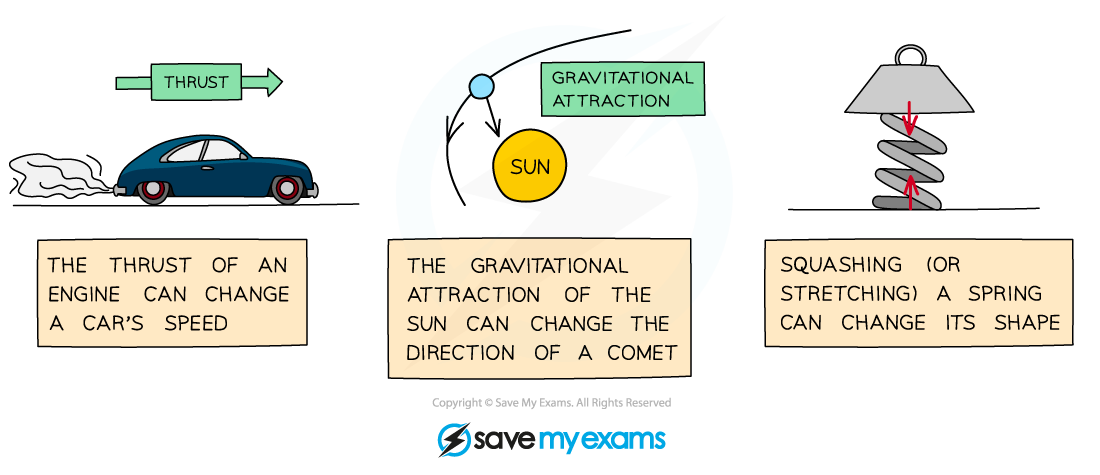
Types of Forces
2 guided lessons · 18 checks · 1. Forces & Motion → Forces, Movement & Changing Shape
Guided lessons for this note
Which concept don't you understand yet?
We'll explain it simply and check your understanding. Pick any lesson — any order works.
0 of 18 checks correct so far
Lesson 1 of 2
Naming the forces between interacting objects
Whenever two objects interact, each one can push or pull the other, and physics gives that push or pull the name force. This lesson walks through the catalogue of everyday forces: weight, reaction, friction, drag, thrust, upthrust, electrostatic, magnetic and tension. For each entry, the key question is where the force comes from and which way it points.
What you know already
You already know that objects push and pull on one another. This note gathers those pushes and pulls into a single catalogue of named forces and then asks what any of them can actually do to the body it acts on. Two lessons follow: the catalogue of force types, then the effects a force can produce.
Key points of understanding
- A force is a push or a pull that arises whenever two objects interact.
- A surface pushes back on anything resting on it; this reaction force acts at right angles to the surface.
- Friction opposes the sliding of two surfaces, and drag is the same opposing action inside a fluid such as air or water.
- Thrust is an engine-produced force that speeds an object up, while upthrust is the upward push a fluid exerts on a submerged body.
- Charges and magnetic poles follow one pattern: like kinds repel, opposite kinds attract.
- Tension acts along a rope or spring when its two ends are pulled apart.
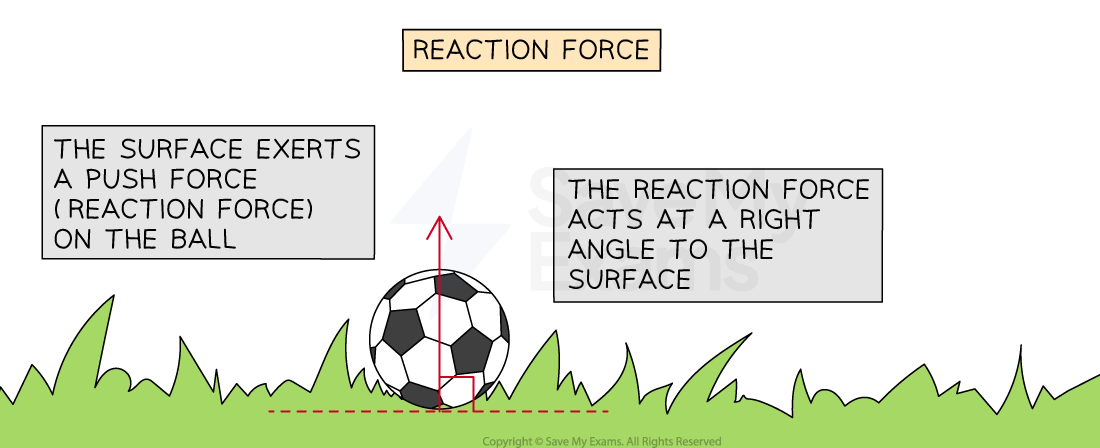
The push force exerted on an object by a surface is called the reaction force
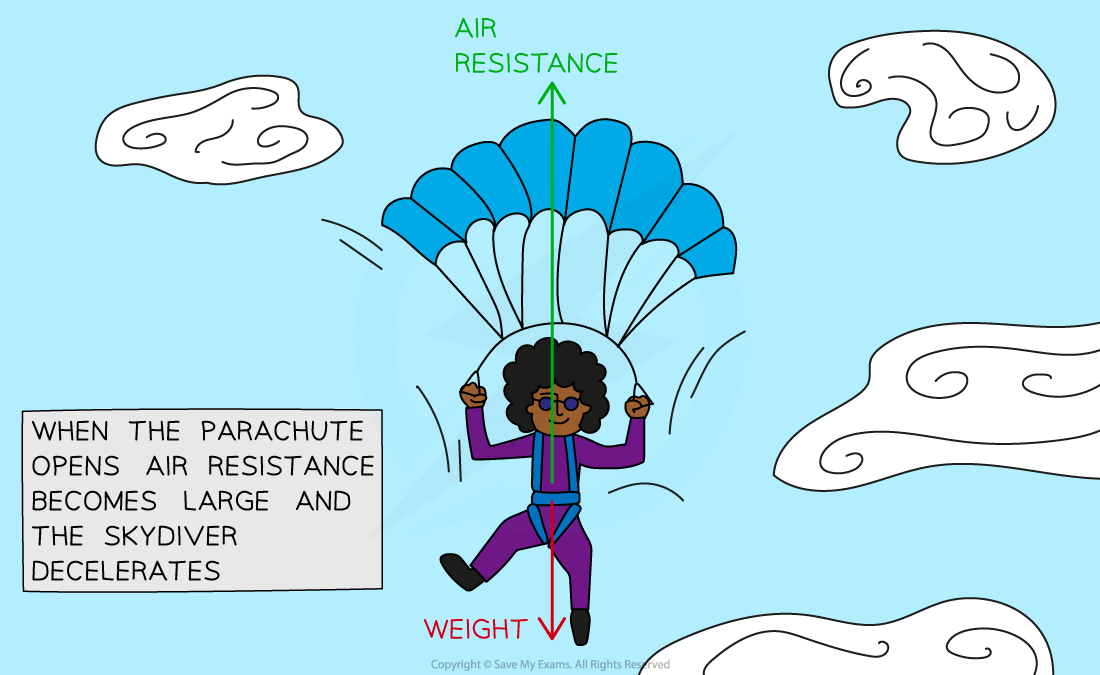
A skydiver uses air resistance to reduce their speed so that they can land safely
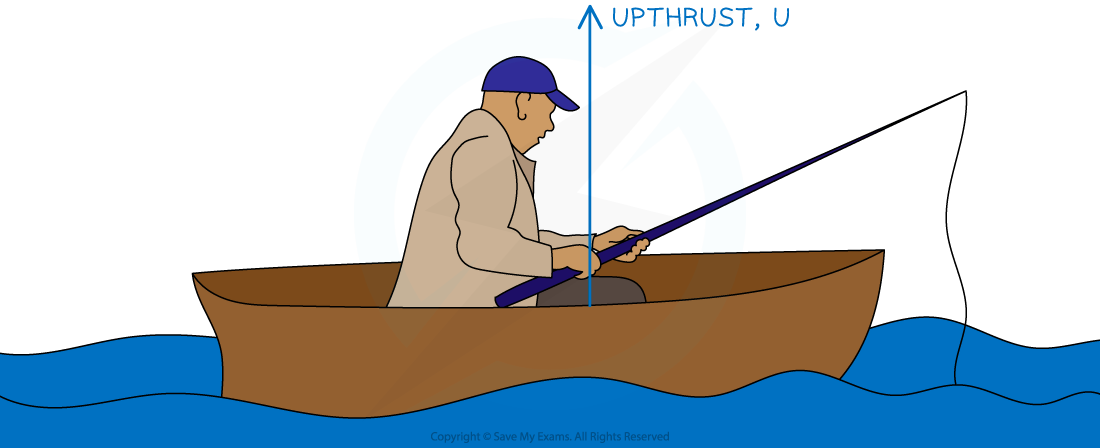
The water pushes up on the boat, this is the force of upthrust
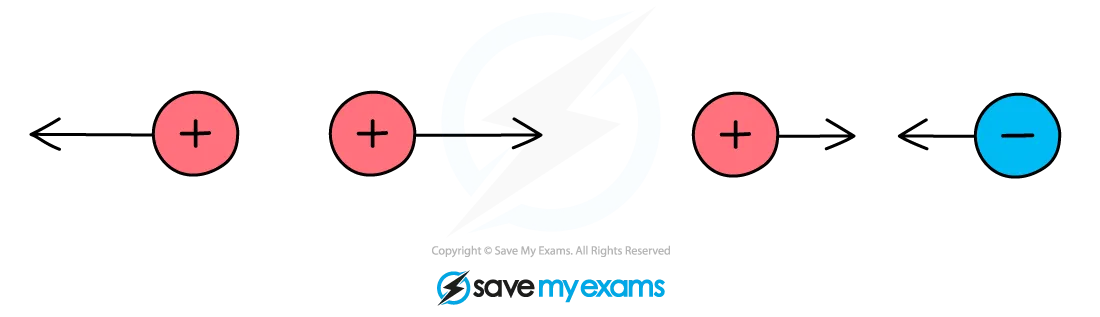
Like charges experience a repulsive push force and opposite charges experience an attractive pull force
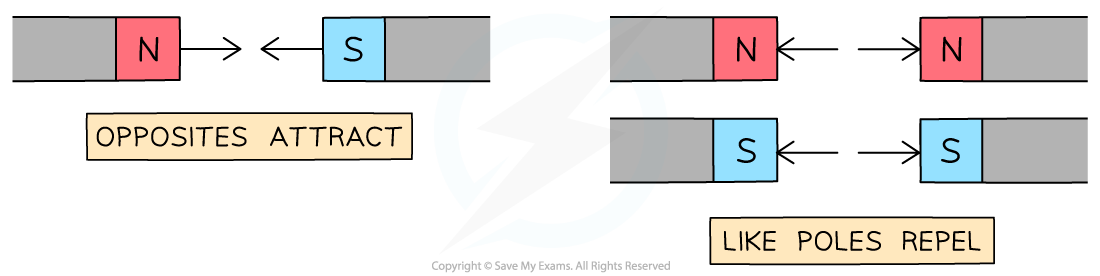
Opposite poles experience an attractive pull force, and like poles experience a repulsive push force
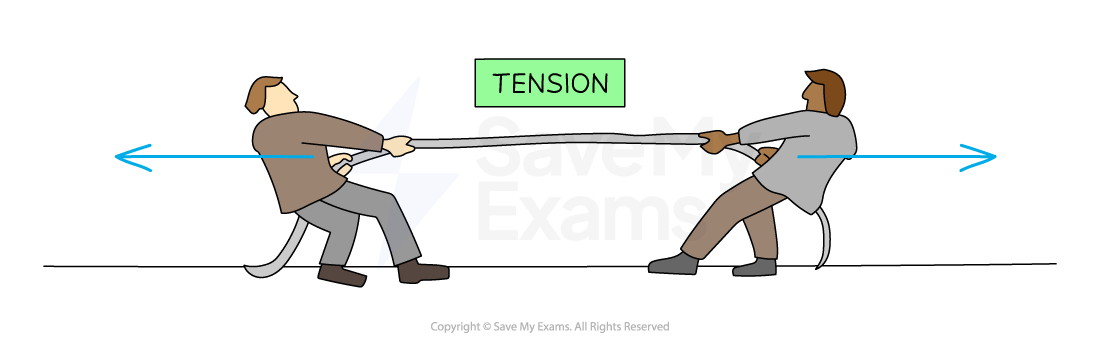
Two people exert a pull force on the rope from each end, creating tension in the rope
Choose a confidence level to continue.
Prefer to read it all at once? Show the full lesson as a page
1.Naming the forces between interacting objects
Whenever two objects interact, each one can push or pull the other, and physics gives that push or pull the name force. This lesson walks through the catalogue of everyday forces: weight, reaction, friction, drag, thrust, upthrust, electrostatic, magnetic and tension. For each entry, the key question is where the force comes from and which way it points.
The push force exerted on an object by a surface is called the reaction force
A skydiver uses air resistance to reduce their speed so that they can land safely
The water pushes up on the boat, this is the force of upthrust
Guided content from the SME authoring corpus — note rn_nyV7C6zmyKXWJjKg, pinned at bfae99778094 · promoted SyllabAI/syllabai-resources b3caaaa90c5e