An Inspector Calls: Character Quotations (Edexcel IGCSE English Literature)
Exam questions usually focus on a theme, a character or a relationship between two or more characters. Examiners reward responses that track the development of characters or themes through the play.
When revising, try to consider quotes in terms of their dramatic effects — how the words are spoken, what attitudes or relationships are presented and why these ideas have been shown to the audience.
We’ve included the best An Inspector Calls quotes — with detailed analysis — to help you to revise and organised them by the following characters:
- Arthur Birling
- Sybil Birling
- Sheila Birling
- Eric Birling
Exam Hint Examiners are looking for short quotations that support your points. You will be rewarded for finding patterns in a character’s dialogue or for picking out particular words that the character repeats, so use short, key word quotes rather than long quotations.
We recommend that you examine techniques in the dialogue that are relevant to spoken language. Remember, this is a play!
This is why we’ve included a “key word or phrase” from every one of our longer quotations to help you to recall the most important parts of each quotation.
An Inspector Calls: Character quotations: Arthur Birling
Spec point —
IGCSE_ENGLISH_LITERATURE:C2T02
Arthur Birling
blockquote “But take my word for it, you youngsters — and I’ve learnt in the good hard school of experience — that a man has to mind his own business and look after himself and his own”- Arthur Birling, Act 1
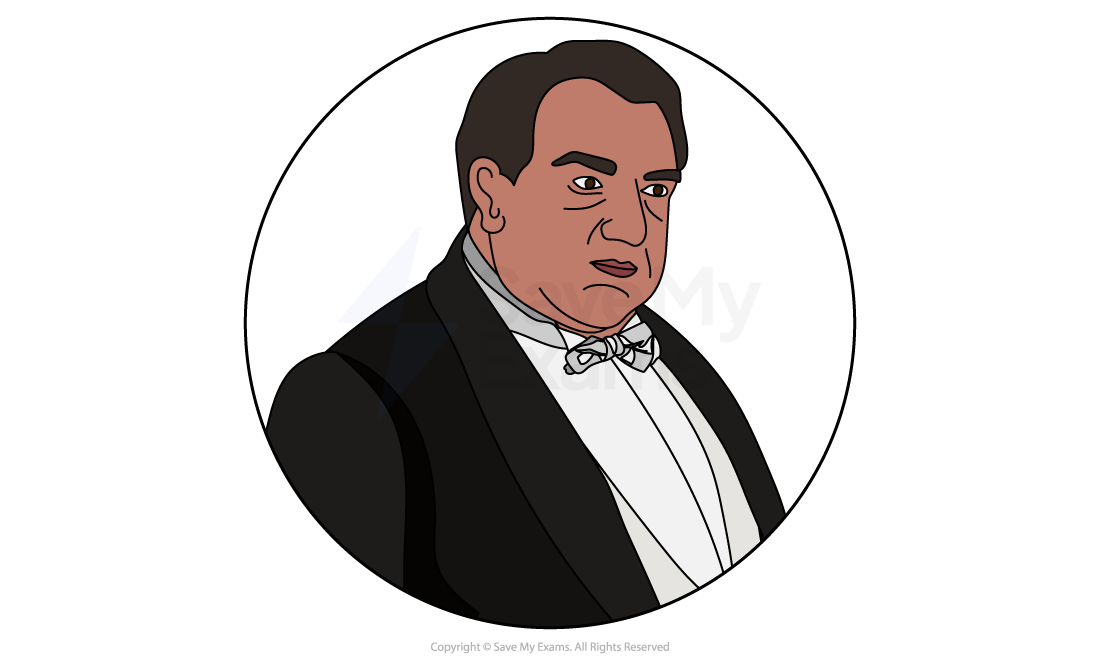 Arthur Birling | Key word or phrase to memorise:“you youngsters” and “hard school of experience” | What the quotation means: Arthur tells Sheila and Eric that his experience outweighs education, and that they should heed his advice to look after one’s own family instead of everyone else’s | **Theme: *Capitalism versus Socialism |
|---|---|---|---|
| - Arthur Birling is presented as patronising, and often wrong despite his certainty: - He** belittles his adult children, calling them “you youngsters” - In this way, Priestley exposes Arthur as an arrogant parent - Priestley portrays Arthur Birling’s strong disagreement with socialist philosophies: - His** capitalist views are illustrated by his pride as a businessman - His description of a “good hard school of experience” challenges academics - He thinks “practical” businessmen “know” better than socialist* writers like the “Bernard Shaws and H.G.Wellses” |
blockquote “And this girl. Eva Smith, was one of them. She'd had a lot to say — far too much — so she had to go” - Arthur Birling, Act 1
Arthur Birling | Key word or phrase to memorise:“a lot to say” and “had to go” | What the quotation means: Arthur Birling explains to the Inspector that he had no choice but to dismiss Eva as she was part of the protestors and was too outspoken | **Theme: **Guilt |
|---|---|---|---|
| - Contrasting characters highlight ideas about morality and guilt: - The Inspector and Eric support the right to protest for fair wages, however Arthur Birling feels no guilt - The modal “had to” implies that, as a good businessman, he had no choice - His words illustrate the lack of workers’ rights in Edwardian England - Arthur Birling ironically**** says that he dismissed Eva for saying “far too much”: - This subtly mocks Mr Birling’s hypocrisy as he often talks at length - Priestley presents Arthur Birling’s argument as farcical |
blockquote “You must give me a list of those accounts. I've got to cover this up as soon as I can” - Arthur Birling, Act 3
Arthur Birling | Key word or phrase to memorise:“cover this up” | What the quotation means: When Eric tells his father that he stole money from his office, Arthur Birling’s first priority is ensure he is not exposed | **Theme: **Responsibility |
|---|---|---|---|
| - Priestley presents Arthur Birling as unchanged despite the Inspector’s visit: - He lacks personal responsibility and avoids accountability - Arthur Birling insists on keeping things hidden: - Earlier in the play he expresses concern about the “press” - Rather than engage with his son’s actions he chooses to cover it up - Priestley challenges capitalism by exposing their virtue as a**** facade* |
An Inspector Calls: Character quotations: Sybil Birling
Spec point —
IGCSE_ENGLISH_LITERATURE:C2T02
Sybil Birling
blockquote “When you're married you'll realise that men with important work to do sometimes have to spend nearly all their time and energy on their business. You'll have to get used to that, just as I had”- Sybil Birling, Act 1
 Sybil Birling | Key word or phrase to memorise:“important work” and “get used to that” | What the quotation means: Sybil Birling tells Sheila that she must not complain and suggests that Sheila should get used to Gerald focusing on business | Theme: Gender |
|---|---|---|---|
| - Priestley illustrates the patriarchal system in 1912 through Sybil and Sheila Birling: - Sheila’s mother perpetuates gender norms before suffrage - She teaches Sheila that her husband is superior and to submit to him - She implies that Gerald’s work is more important than his marriage - In fact, Eric is the only one to protest: - He laughs and questions their interest in Sheila’s happiness |
blockquote “I think it was simply a piece of gross impertinence — quite deliberate — and naturally that was one of the things that prejudiced me against her case”- Sybil Birling, Act 2
Sybil Birling | Key word or phrase to memorise:“gross impertinence” and “prejudiced” | What the quotation means: Sybil Birling tells the Inspector that she judged Eva as intentionally disrespectful when she asked her charity for help with the pregnancy, and this is why she was refused | Theme: Class |
|---|---|---|---|
| - Sybil Birling is presented as an arrogant and snobbish upper class woman: - Her proud determination makes her confidently admit her prejudice - She believes it disrespectful for Eva to have used the Birling name - Priestley humiliates Sybil Birling for her hypocritical and indignant pride: - Her insistence that the father of the child should take responsibility is met with shock when she is told that the father is Eric |
blockquote “I was the only one of you who didn't give in to him. And now I say we must discuss this business quietly and sensibly”- Sybil Birling, Act 3
Sybil Birling | Key word or phrase to memorise:“give in” and “quietly and sensibly” | What the quotation means: Sybil Birling expresses pride at not having changed as a result of the Inspector’s visit, and wants to resume their ordered world | **Theme: **Responsibility |
|---|---|---|---|
| - Mrs Birling’s pride at her inability to change illustrates her continued sense of superiority: - Her wish to return to calm implies that she prefers to ignore issues - The phrase, “give in” implies an admission of wrongdoing is an undignified**** submission - Priestley challenges conservatism via a depiction of the parents’ refusal to change: - Sheila and Eric are emboldened by accepting new information - But the parents dismiss the Inspector in favour of traditional attitudes |
An Inspector Calls: Character quotations: Sheila Birling
Spec point —
IGCSE_ENGLISH_LITERATURE:C2T02
Sheila Birling
blockquote “It's just that I can't help thinking about this girl — destroying herself so horribly — and I’ve been so happy tonight. Oh I wish you hadn't told me” - Sheila Birling, Act 1
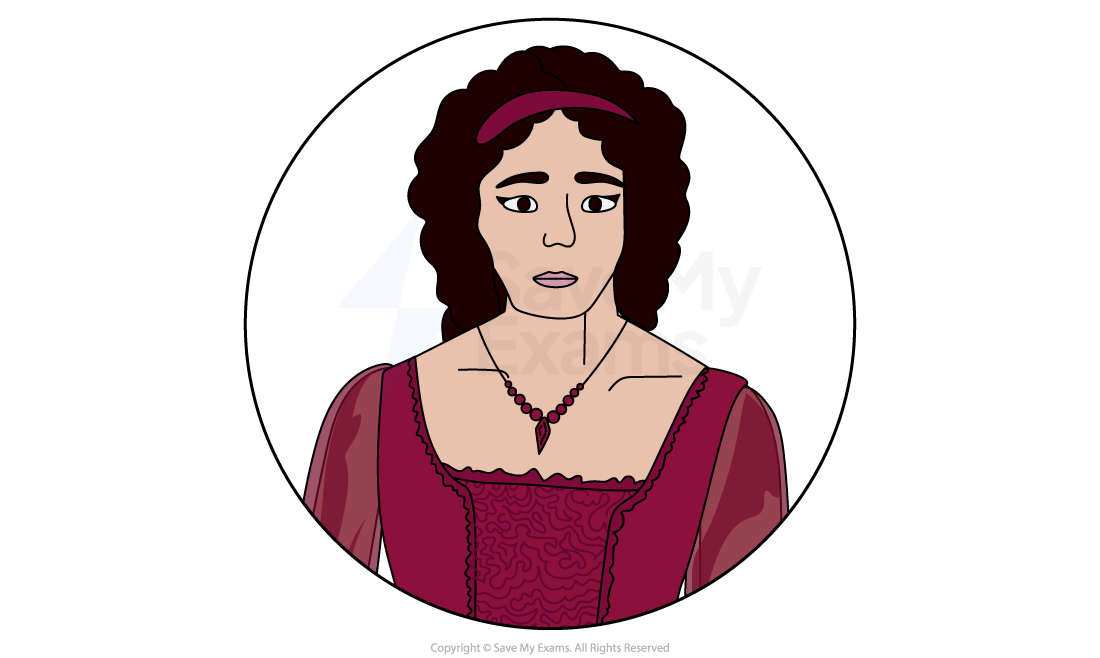 Sheila Birling | Key word or phrase to memorise:“destroying herself so horribly” and “I’ve been so happy tonight” | What the quotation means: Sheila expresses horror at Eva’s death, yet wishes the terrible news had not ruined her happy night | Theme: Responsibility |
|---|---|---|---|
| - To begin, Priestley portrays Sheila as self-absorbed: - Her wish to be ignorant of tragic news portrays her as immature and selfish - However, Sheila is presented as a naive young girl who is not used to challenges: - Here, she expresses her shock - She conveys empathy through the emotive “destroyed” and “so horribly” - Priestley conveys how she has been protected from the evils of the world |
blockquote “So that's what you think I'm really like. I'm glad I realised it in time, Gerald”- Sheila Birling, Act 2
Sheila Birling | Key word or phrase to memorise:“realised it in time” | What the quotation means: Gerald suggests that Sheila wants to hear the Inspector humiliate someone else, and she replies that she is glad she knows his real opinion, implying this may change their relationship | Theme: Gender |
|---|---|---|---|
| - Priestley uses Sheila and Gerald’s relationship to illustrate gender imbalances: - The implication of Sheila’s words is that they do not know each other well - This alludes to their marriage as a business contract - Priestley highlights this earlier when Arthur describes how the marriage will bond the rival businesses - Her reply foreshadows the end of their relationship (she refuses the ring at the end): - Priestley presents Sheila as less compliant than her mother - Nevertheless, her future, alone and without support, is uncertain |
blockquote “The point is, you don't seem to have learnt anything”- Sheila Birling, Act 3
Sheila Birling | Key word or phrase to memorise:“learnt anything” | What the quotation means: Sheila is disturbed that her parents have learned nothing from the Inspector’s visit | Theme: Generational divide |
|---|---|---|---|
| - Priestley presents a distinct difference between the Birling parents and children: - Eric is cynically aware of his parents’ weaknesses from the start - Sheila undergoes a transformation and starts to challenge her parents - Here, she is frustrated that her parents have chosen to deny all personal responsibility: - Sheila’s disappointment lies in their inability to learn, one of Priestley’s main critiques |
An Inspector Calls: Character quotations: Eric Birling
Spec point —
IGCSE_ENGLISH_LITERATURE:C2T02
Eric Birling
blockquote “What about war?”- Eric, Act 1
 Eric Birling | Key word or phrase to memorise:“What about war?” | What the quotation means: Eric challenges his father on his lack of concern for the predictions of war | Theme: Generational divide |
|---|---|---|---|
| - Eric is a contrasting character to Gerald: - Arthur Birling says that Gerald is “just the kind of son-in-law” he wanted - Eric challenges his father and holds him to account, unlike Gerald - Eric’s short question is a shy, early challenge to his father’s arrogance: - His question leads Arthur Birling to assert his superiority - Dramatic irony presents Eric as wiser |
blockquote “...do you remember what you said to Gerald and me after dinner, when you were feeling so pleased with yourself?”- Eric, Act 3
Eric Birling | Key word or phrase to memorise: “[…]do you remember what you said” and “pleased with yourself” | What the quotation means: Eric interrupts his father to remind him of what he said earlier, and enjoys announcing that his father was not so sure of himself when the Inspector quizzed him on his capitalist views | Theme: Generational divide |
|---|---|---|---|
| - Priestley presents Eric as a cynical son: - He interrupts his father and laughs “bitterly” to hold him to account - Eric’s description of his father being “so pleased” criticises his arrogance: - He reminds his father of his confident words prior to the Inspector’s visit |
blockquote “and the child she'd have had too — my child — your own grandchild — you killed them both — damn you, damn you”- Eric, Act 3
Eric Birling | Key word or phrase to memorise: “your own grandchild” | What the quotation means: Eric is furious with his mother for refusing to help the pregnant Eva and accuses her of killing her own grandchild as well as Eva | Theme: Responsibility |
|---|---|---|---|
| - Priestley portrays how Sybil Birling’s children turn against her when she is exposed: - Eric’s anger is conveyed in his unstable voice and curses - The revelation that Eric is the father of Eva’s unborn baby is a dramatic turning point: - Eric’s explicit accusation highlights Sybil Birling’s callousness - She denies responsibility even when a distressed Eric tells her the truth |
Sources
Priestley, J.B. (1992). An Inspector Calls. Heinemann.
Was this revision note helpful?