Ledgers (Edexcel IGCSE Accounting)
The Ledger
Spec point —
IGCSE_ACCOUNTING:S2.133
What is the ledger?
-
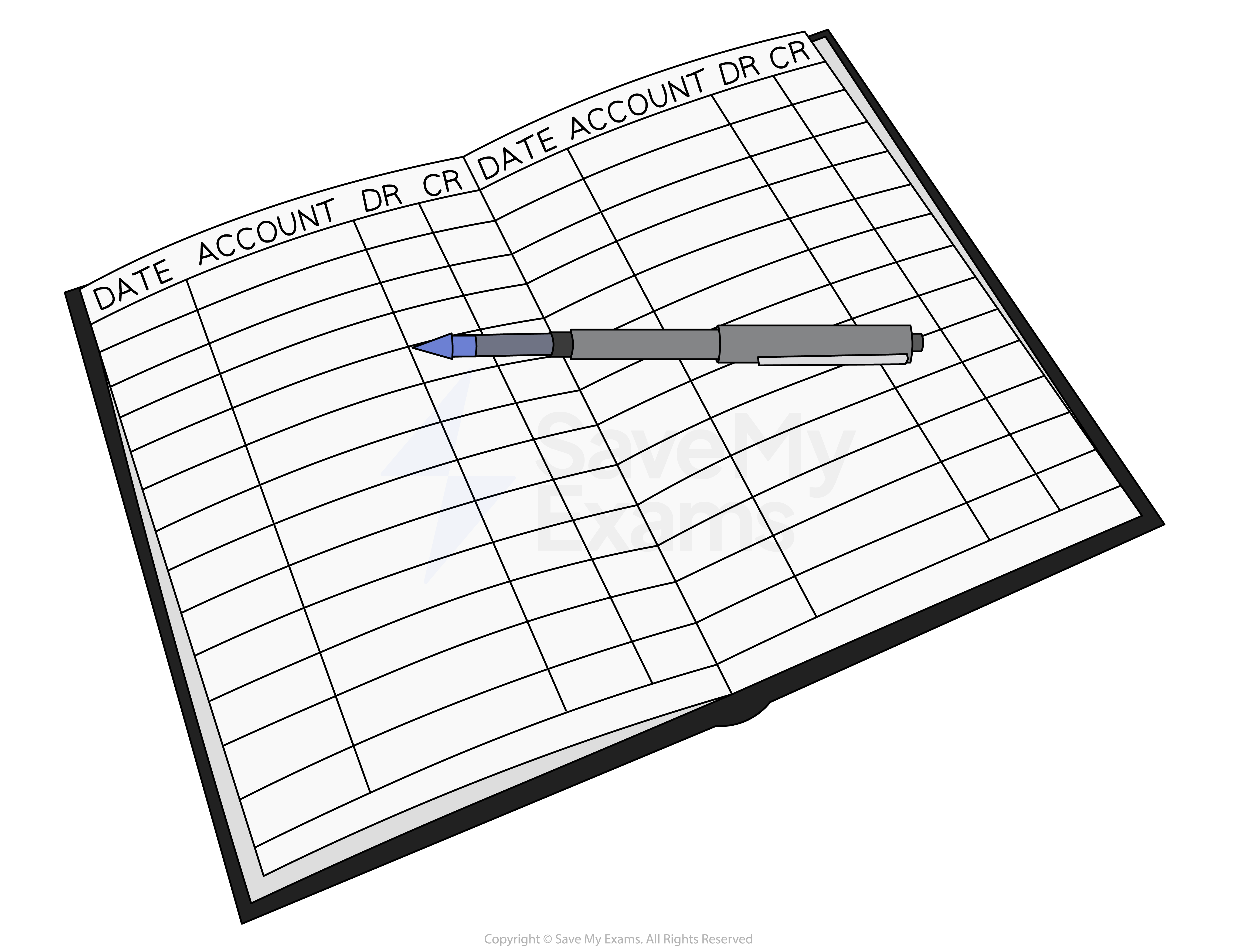
The ledger is a collection of all the accounts for a business
- It could be a book where each account is on a new page
- It could be a spreadsheet file where each account is on a new sheet
-
The accounts in the ledger are referred to as ledger accounts
-
The ledger is divided into three separate ledgers
- The receivables ledger
- The payables ledger
- The nominal (general) ledger
Why is the ledger divided into three sections?
-
Dividing the ledger means that the work can be shared amongst several people
-
It is easier to find and check information
- The same types of accounts are kept together
-
It can help to reduce the possibility of fraud
- If different people work with different ledgers then missing or incorrect information will be easier to find
Receivables, Payables & Nominal Ledgers
Spec point —
IGCSE_ACCOUNTING:S2.133
What is the sales ledger?
-
The receivables ledger is a collection of the accounts for all of the credit customers
- These are the trade receivables accounts
-
The sales account itself does not go into the receivables ledger
- It goes in the nominal ledger
What is the payables ledger?
-
The payables ledger is a collection of the accounts for all of the credit suppliers
- These are the trade payables accounts
-
The purchases account itself does not go into the payables ledger
- It goes in the nominal ledger
What is the nominal (general) ledger?
-
The nominal ledger is a collection of all accounts of a business except for the accounts for credit customers and credit suppliers
- It is also known as the general ledger
-
The most common accounts in the nominal ledger are:
- Sales account
- Purchases account
- Returns inwards account
- Returns outwards account
- Carriage inwards account
- Carriage outwards account
- Discount allowed account
- Discount received account
- An account for each other expense
- An account for each other income
- Cash and bank accounts
- Equity account
- Drawings account
- Inventory account
- An account for each type of non-current asset
- An account for each liability
Was this revision note helpful?
Build on this topic