The Double Entry System (Edexcel IGCSE Accounting)
Spec point —
IGCSE_ACCOUNTING:S2.134
The double entry system
What is the double entry system?
-
The double entry system is used by bookkeepers
- The double entry system is used to improve the accuracy of financial statements
-
The double entry system is closely linked to the accounting equation
- Assets = Liabilities + Equity
-
The equation is always balanced
-
Each transaction causes both sides of the equation to:
- increase
- or decrease
- or remain the same
-
Each transaction is entered into two accounts
- One is called a debit entry
- One is called a credit entry
What is the layout of a ledger account?
-
Each account will be split into two sides
-
The debit entries appear on the left
- This side is sometimes labelled as Dr
-
The credit entries appear on the right
- This side is sometimes labelled as Cr
-
-
When you make an entry you need to include:
-
The date of the transaction
-
The details of the transaction
- This is normally the name of the other account involved
-
The value of the transaction
-
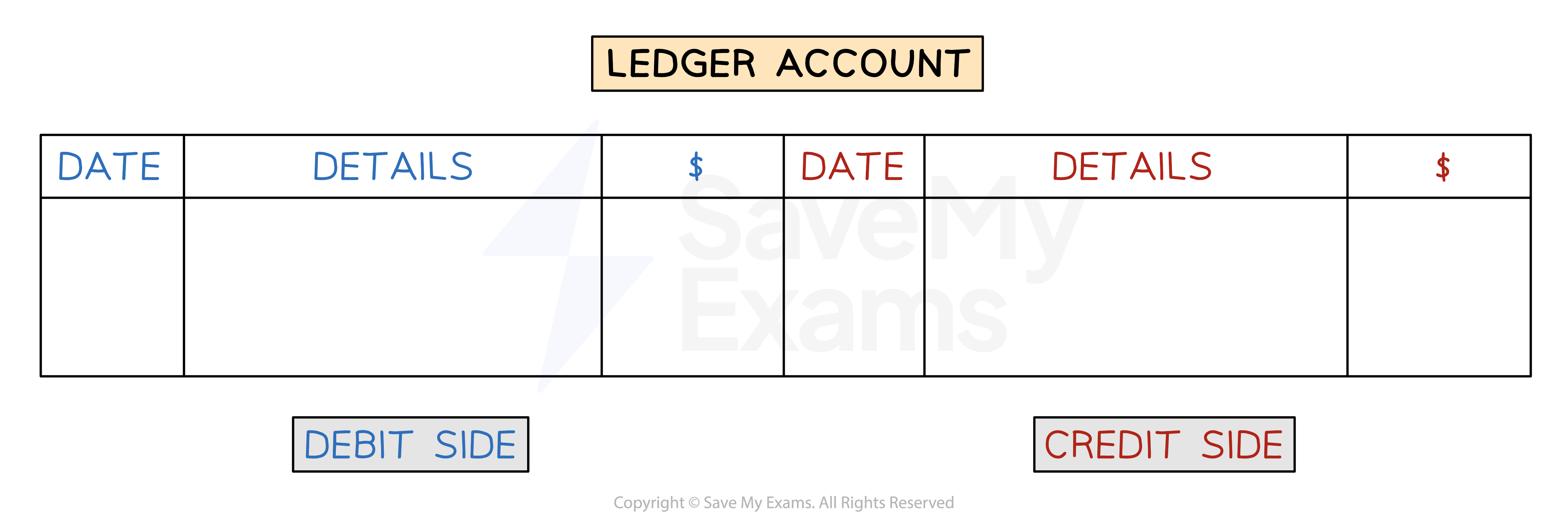
Example of a ledger account
What are the advantages of maintaining double entry records?
- It is straightforward to prepare financial statements
- It can help give an accurate calculation of the profit or loss
- It reduces the possibility of fraud
- It gives easy access to information for the bank or other lenders
Debits & Credits
Spec point —
IGCSE_ACCOUNTING:S2.134
What is a debit entry?
-
A debit entry is mainly used for:
-
Increasing the value of an asset
- The left-hand side of the accounting equation increases
-
Decreasing the value of a liability or the equity
- The right-hand side of the accounting equation decreases
-
What is a credit entry?
-
A credit entry is mainly used for:
-
Increasing the value of a liability or the equity
- The right-hand side of the accounting equation increases
-
Decreasing the value of an asset
- The left-hand side of the accounting equation decreases
-
Which accounts should I debit?
-
Debit an asset account when its value is increasing
-
You receive cash
- Debit the cash account
-
A customer buys goods on credit
- Debit their trade receivables account
-
-
Debit a liability account when its value is decreasing
-
You make a repayment on a bank loan
- Debit the bank loan account
-
You pay an invoice to a credit supplier
- Debit their trade payables account
-
-
Debit other accounts when the transaction decreases the equity
-
You take out assets for personal use
- Debit the drawings account
-
You pay an expense which decreases the profit
- Debit the relevant expense account
- Such as purchases, rent paid, discount allowed, etc
-
Which accounts should I credit?
-
Credit a liability account when its value is increasing
-
You take out a bank loan
- Credit the bank loan account
-
You buy goods on credit from a supplier
- Credit their trade payables account
-
-
Credit an asset account when its value is decreasing
-
You pay rent by bank transfer
- Credit the bank account
-
A credit customer pays their invoice
- Credit their trade receivables account
-
-
Credit other accounts when the transaction increases the equity
-
You put more personal assets (such as money) into the business
- Credit the capital account
-
You receive income which increases the profit
- Credit the relevant income account
- Such as sales, rent received, discount received, etc
-
How do I decide whether an account should be debited or credited?
-
STEP 1 Identify the asset, liability or equity
- Usually this is cash, trade receivables or trade payables
-
STEP 2 Determine whether its value is increasing or decreasing
-
STEP 3 Debit or credit that account
-
Debit the account if:
- It is an asset account and its value is increasing
- It is a liability or the equity account and its value is decreasing
-
Credit the account if:
- It is an asset account and its value is decreasing
- It is a liability or the equity account and its value is increasing
-
-
STEP 4 Put an equal entry on the opposite side for the second account
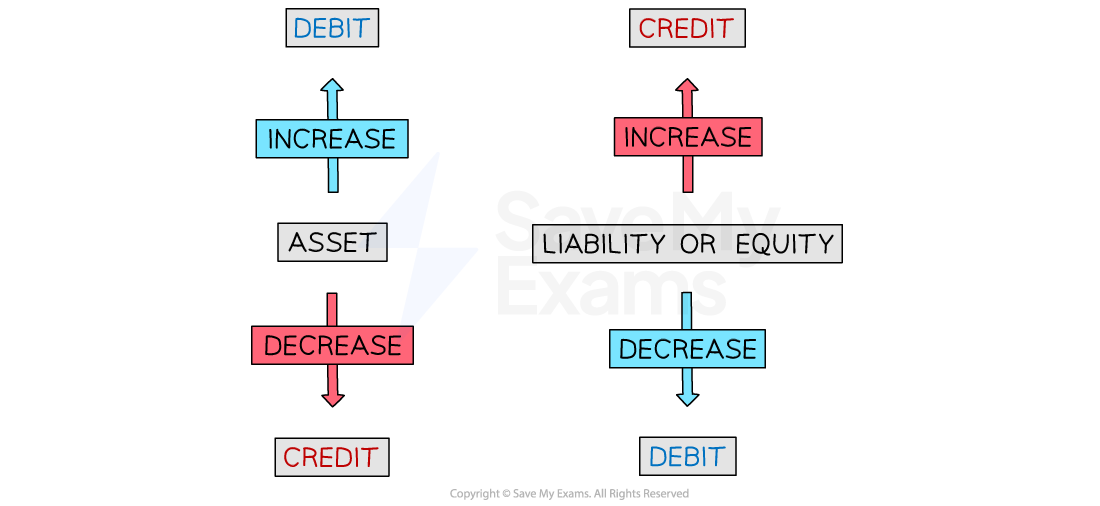
Debit and credit entries achieve specific purposes depending on the type of account
Do I debit or credit accounts for expenses & incomes?
-
When you pay an expense you will debit that account
-
This is because expenses decrease the profit
- The equity will decrease
-
The other part of the double entry is to credit the cash or bank account
- Your cash is decreasing
-
-
When you receive an income you will credit that account
-
This is because income increases the profit
- The equity will increase
-
The other part of the double entry is to debit the cash or bank account
- Your cash is increasing
-
Do I debit or credit accounts for drawings & capital?
-
When the owner takes out money or goods from the business for themselves you will debit the drawings account
-
This is because taking drawings decreases the equity
-
The other part of the double entry is to credit the cash or bank account
- The company’s cash is decreasing
-
-
When the owner adds their own money to the business you will credit the capital account
-
This is because introducing money increases the equity
-
The other part of the double entry is to debit the cash or bank account
- The company’s cash is increasing
-
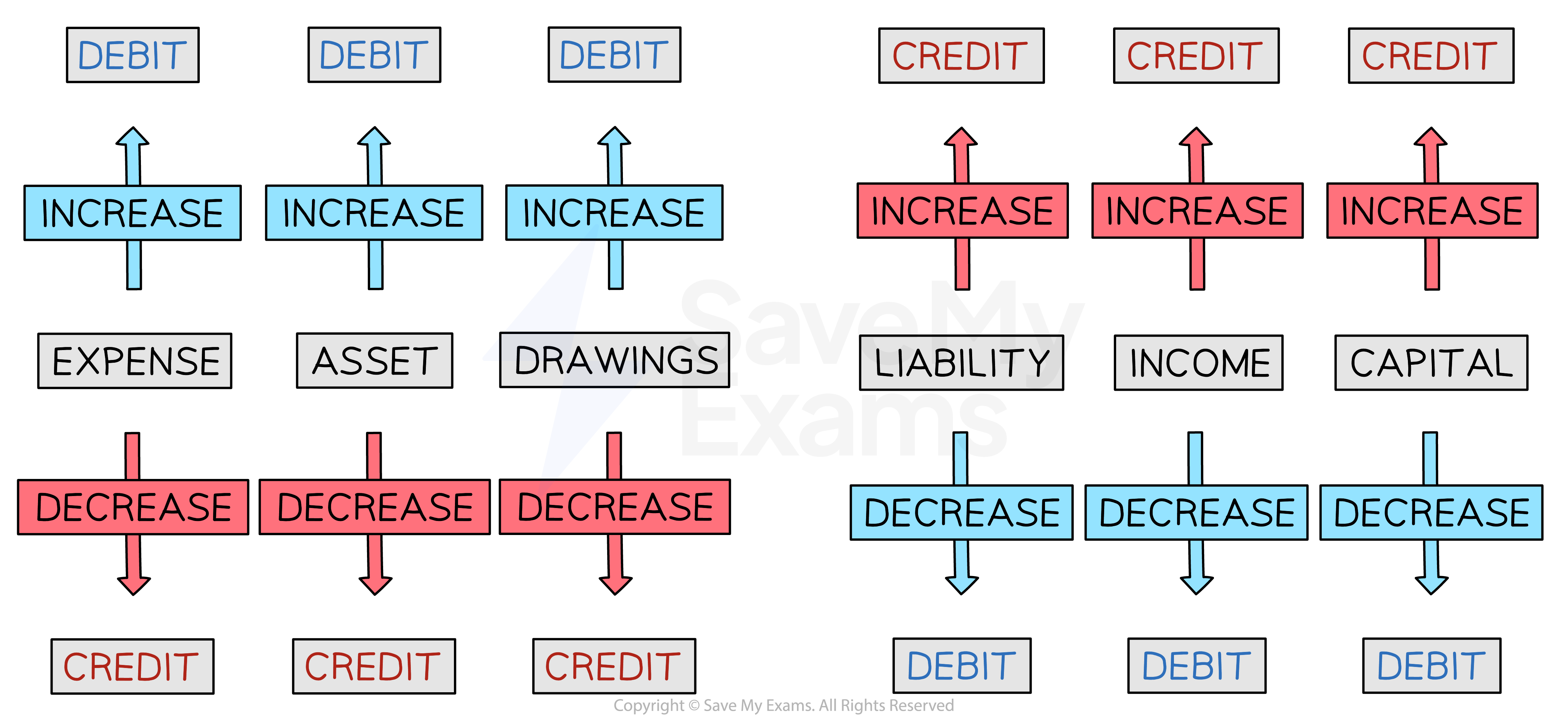
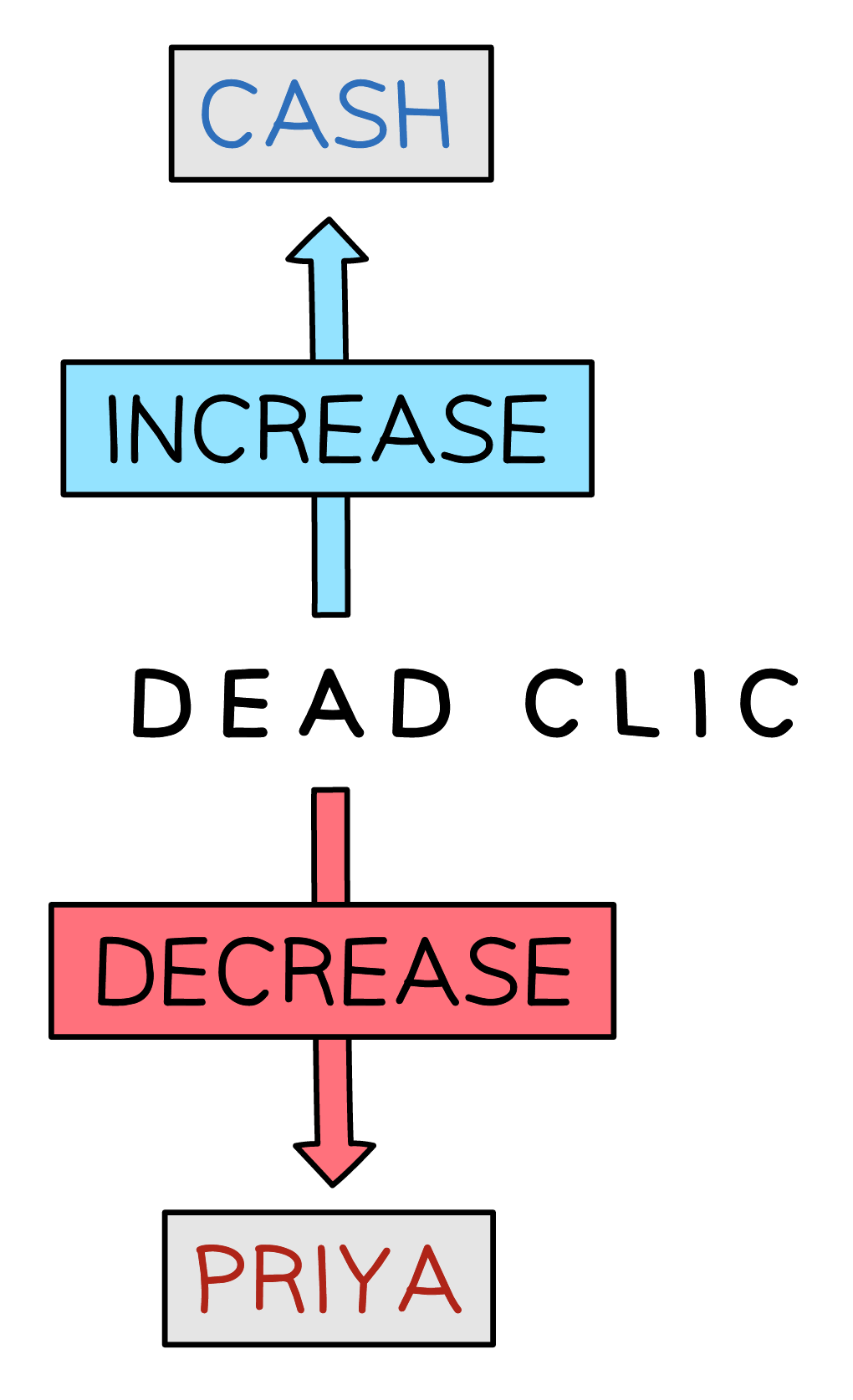
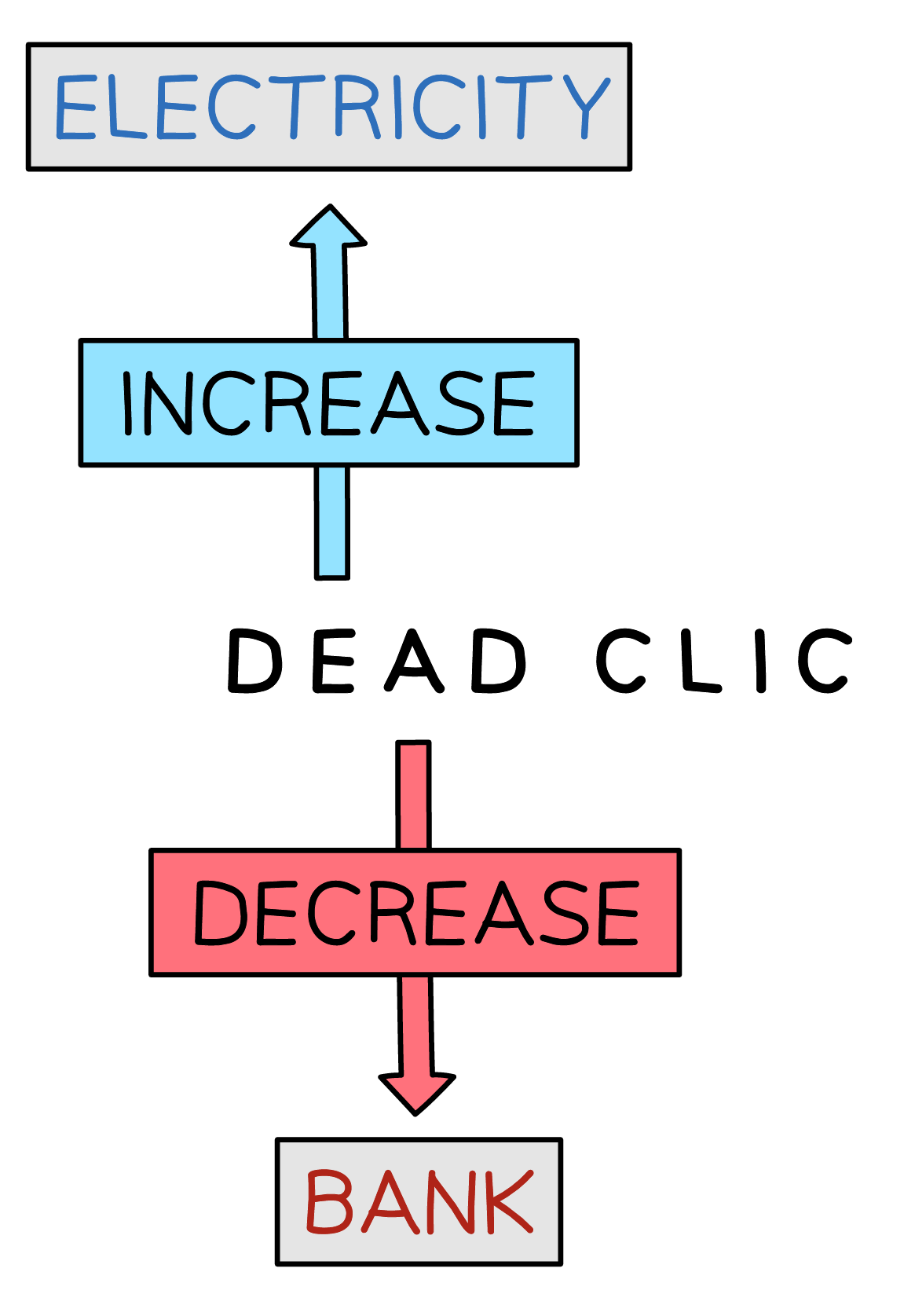
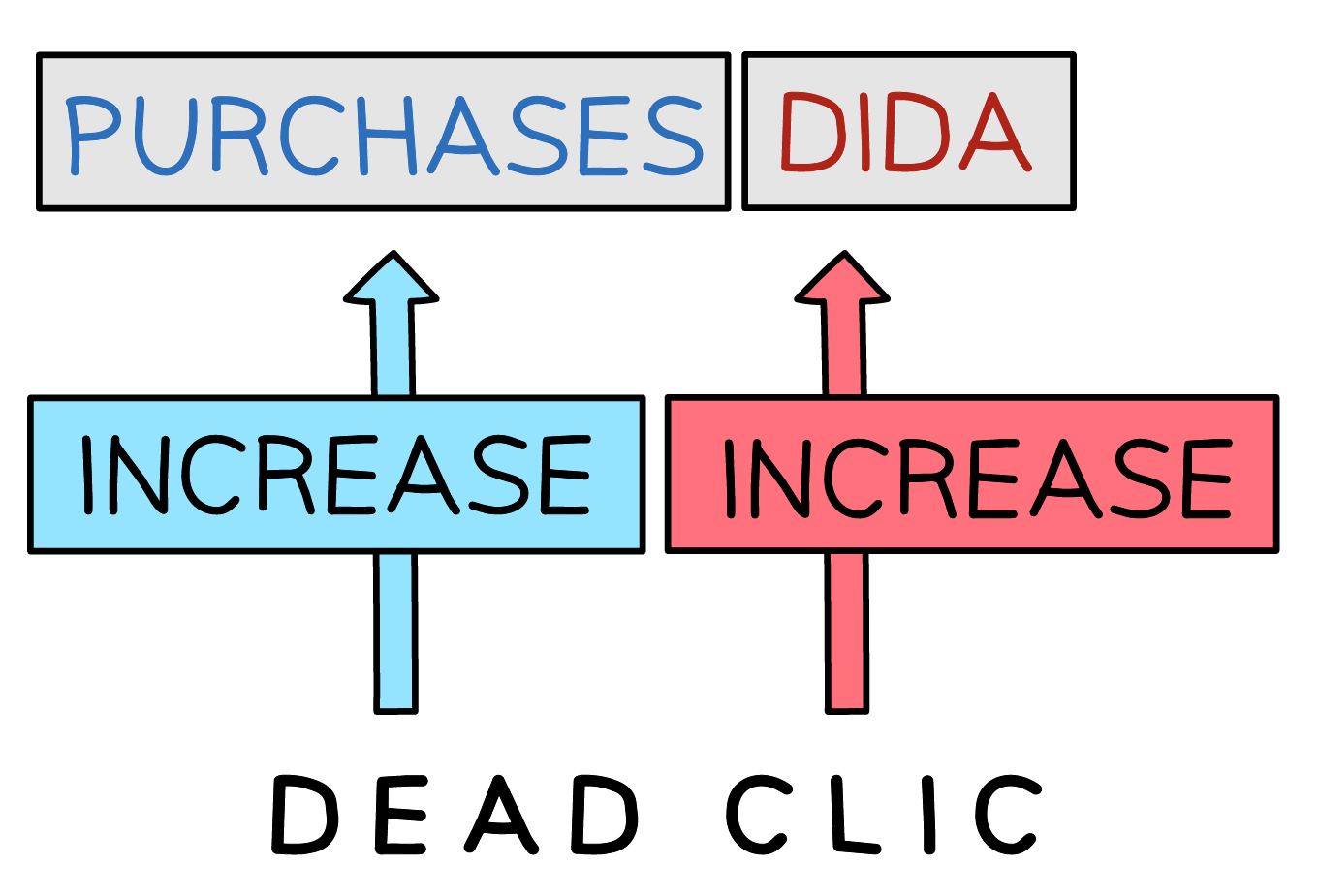
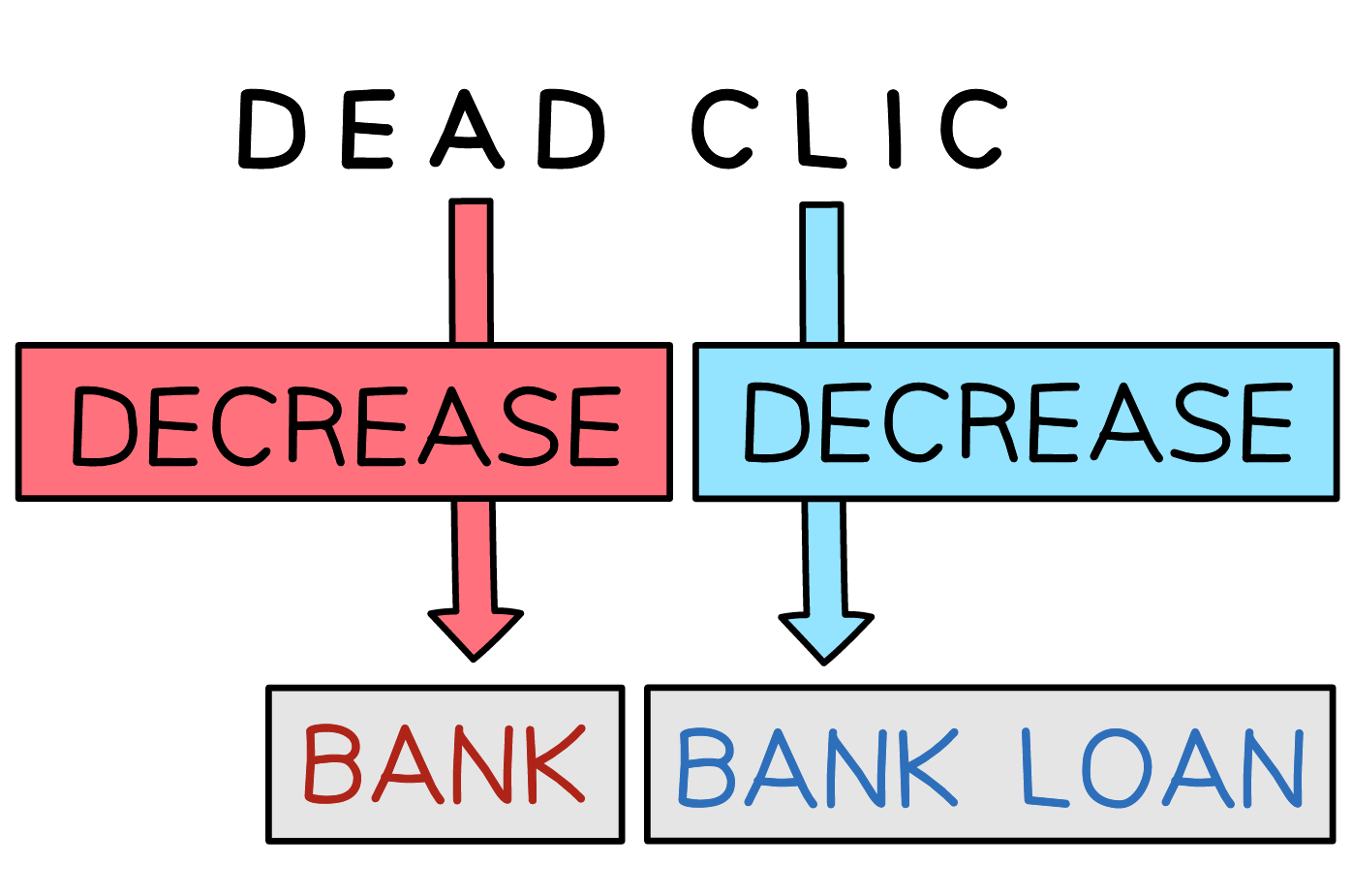
Exam Hint To remember which side of an account to record a transaction, you can use the acronym DEAD CLIC.
- The transaction is on the debit side for expense, asset, and drawings accounts if the account is increasing.
- The transaction is on the credit side for liability,i ncome, and capital (equity) accounts if the account is increasing.
- If the account is decreasing then the transaction is recorded on the opposite side!
Worked Example Hina is a sole trader.
Complete the table below to show the accounts that Hina should debit and credit for each of the following transactions.
Transaction Account to be debited Account to be credited Hina sells goods on credit to Priya Hina receives a cash payment from Priya Hina pays an electricity bill by cheque Hina buys goods on credit from Dida Hina repays some of a bank loan by bank transfer Hina takes ownership of a company vehicle for her own use Hina puts some of her own money into the business bank account Answer
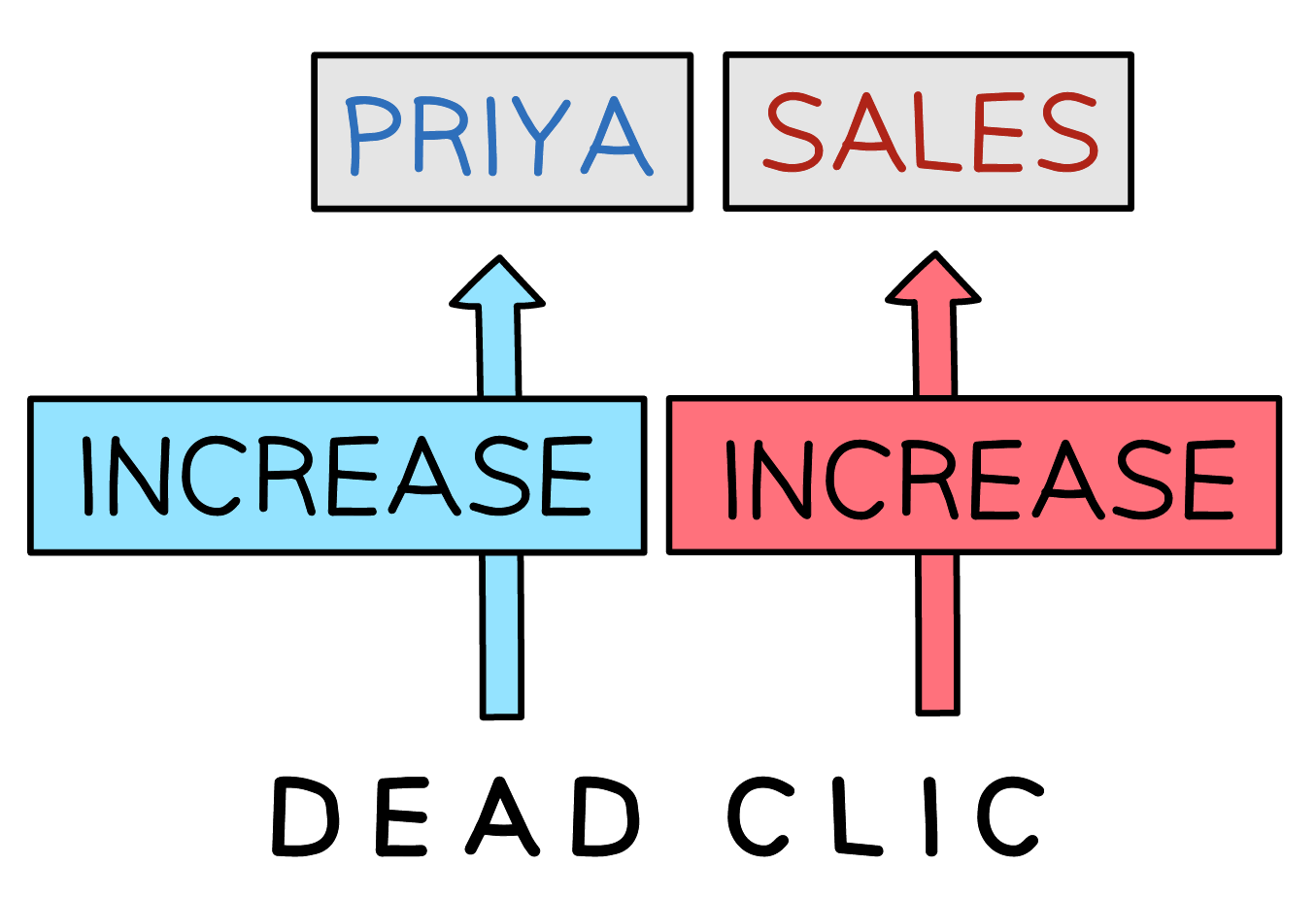
Transaction Account to be debited Account to be credited Hina sells goods on credit to Priya Final answer: Priya
> Hina is owed cash from Priya.
Priya is an asset that is increasing.Final answer: Sales
> Sales is an income.Hina receives a cash payment from Priya Final answer: Cash
> Hina receives cash.
> Cash is an asset that is increasing.Final answer: Priya
> Hina is owed less money from Priya.
> Priya is an asset that is decreasing.Hina pays an electricity bill by bank transfer Final answer: Electricity
> Electricity is an expense.Final answer: Bank
> The cheque will use money from the bank.
> The bank is an asset that is decreasing.Hina buys goods on credit from Dida Final answer: Purchases
> Purchases is an expense.Final answer: Dida
> Hina owes money to Dida.
Dida is a liability that is increasingHina repays some of a bank loan by bank transfer Final answer: Bank loan
> The amount Hina owes less on her bank loan.
The bank loan is a liability that is decreasing.Final answer: Bank
> Hina is using money from the bank.
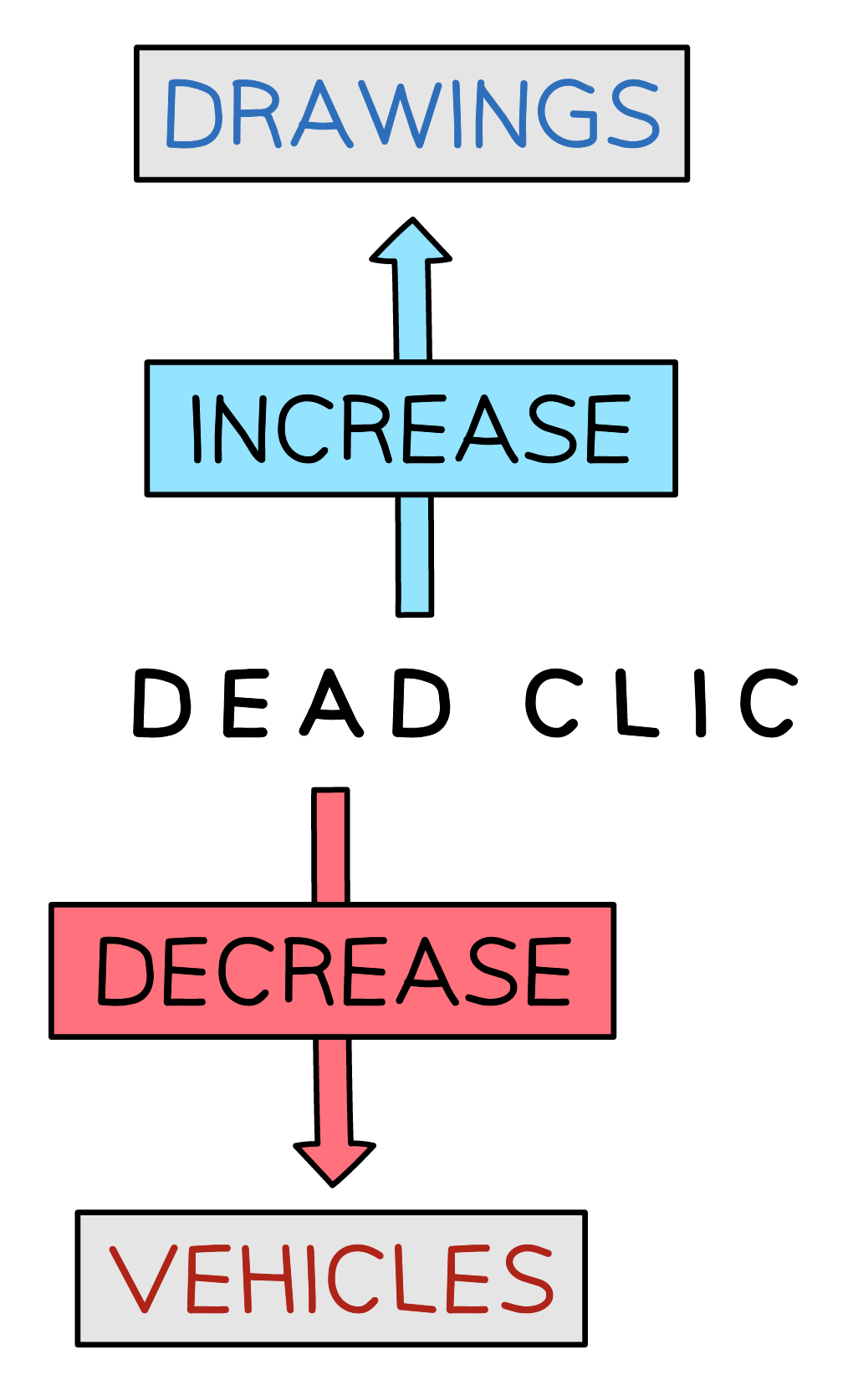
The bank is an asset that is decreasing.Hina takes ownership of a company vehicle for her own use Final answer: Drawings
> Hina is taking an asset from the business.Final answer: Vehicles
> The company owns fewer vehicles.
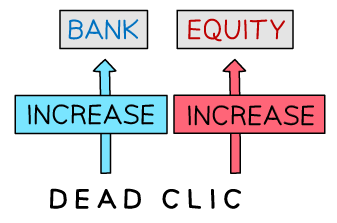
Vehicles are an asset that is decreasing.Hina puts some of her own money into the business bank account Final answer: Bank
> The business is receiving money.
> The bank is an asset that is increasing.Final answer: Equity
> The equity of the business is increasing
Was this revision note helpful?
Build on this topic