White Blood Cells (Cambridge International IGCSE Science)
Exam board Cambridge International · IGCSEUpdated 2026-07-02
Lymphocytes & Phagocytes: Extended
Extended Tier Only
- White blood cells are part of the body’s immune system, defending against infection by pathogenic microorganisms
- There are two main types, phagocytes and lymphocytes
Phagocytes
- Carry out phagocytosis by engulfing and digesting pathogens
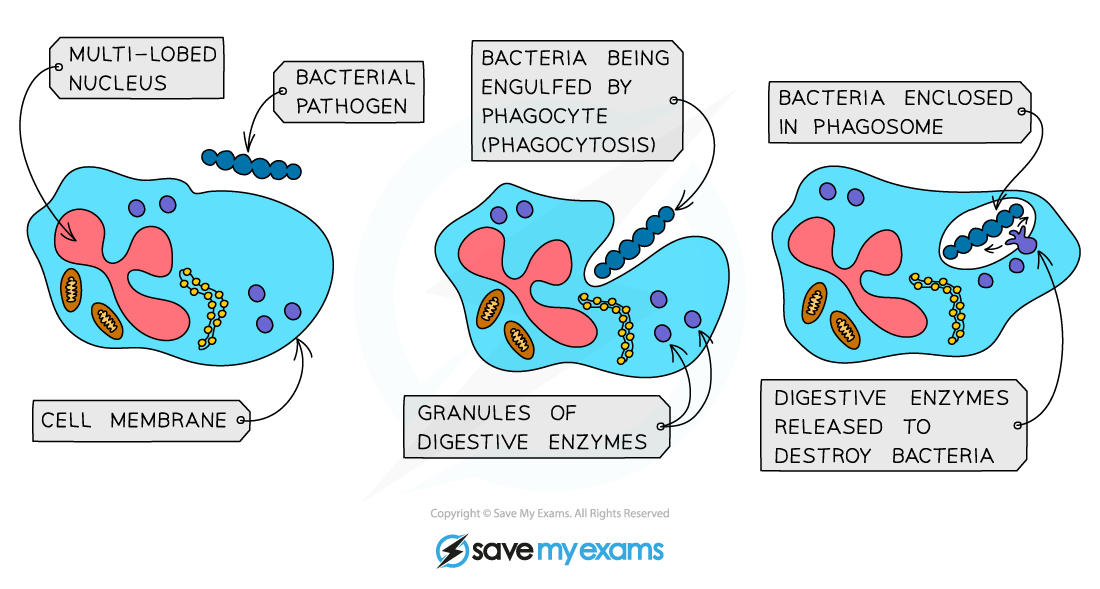
Phagocytosis
- Phagocytes have a sensitive cell surface membrane that can detect chemicals produced by pathogenic cells
- Once they encounter the pathogenic cell, they will engulf it and release digestive enzymes to digest it
- They can be easily recognised under the microscope by their multi-lobed nucleus and their granular cytoplasm
Lymphocytes
- Produce antibodies to destroy pathogenic cells and antitoxins to neutralise toxins released by pathogens
- They can easily be recognised under the microscope by their large round nucleus which takes up nearly the whole cell and their clear, non-granular cytoplasm
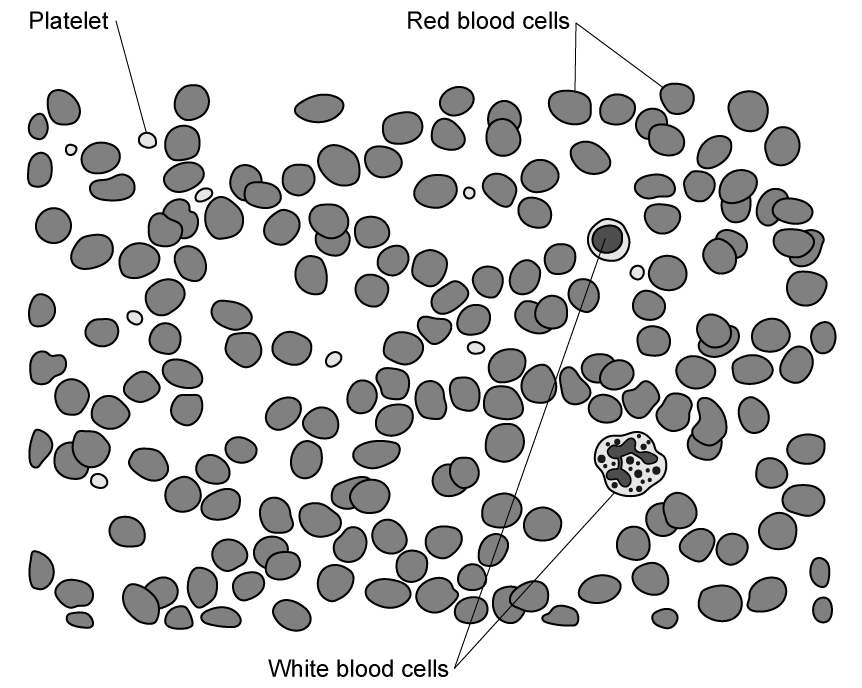
Lymphocytes and phagocytes can be identified on a micrograph image
Was this revision note helpful?
Build on this topic