The Importance of Pilgrimage in Judaism (Cambridge International IGCSE Religious Studies)
The spiritual and physical goals of pilgrimage in Judaism
What is pilgrimage in Judaism?
-
A pilgrimage is a journey to a place closely associated with a person’s religion
-
In biblical times, Jews were commanded to make pilgrimages to Jerusalem for three major festivals:
- Pesach (Passover)
- Shavuot(Weeks)
- Sukkot (Tabernacles)
-
During the pilgrimages, they visited the Temple to offer sacrifices and worship G-d
-
In modern times, there are various important pilgrimage sites visited by Jews
-
Jerusalem is the most important pilgrimage site
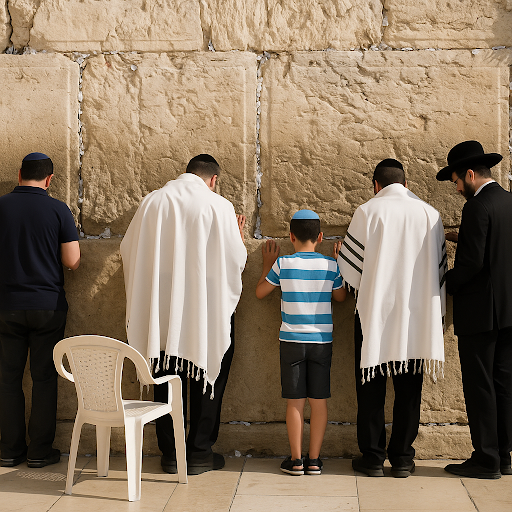
- During the pilgrimage, Jews will visit the Western Wall, which is the last part of the ancient Temple
- Pilgrims will pray, reflect and place written prayers in the wall's cracks
-
-
Yad Vashem is a Holocaust memorial in Jerusalem
- The event helps Jews reflect on their history, identity and the importance of remembrance
-
Hebron is the site of the Cave of the Patriarchs, believed to be the burial place of Abraham, Isaac, Jacob and their wives
What are the spiritual goals of pilgrimage in Judaism?
-
There are many spiritual goals associated with pilgrimage in Judaism
-
Pilgrimage strengthens the spiritual bond between the individual and G-d
- Praying at holy sites (for example, the Western Wall) helps Jews feel closer to the Divine Presence (Shekhinah)
-
It is also an opportunity for reflection and personal growth for the pilgrim
- It can be a time for repentance, self-improvement and spiritual renewal
- It can also encourage Jews to reflect on their faith and values
-
Pilgrimage also continues the tradition of fulfilling a spiritual duty by visiting the sacred sites
-
What are the physical goals of pilgrimage in Judaism?
-
There are many physical goals associated with pilgrimage in Judaism
-
Pilgrimage allows believers to visit sacred places that are very important to the Jewish faith
-
Pilgrimage sometimes takes place to mark an important life event
- Pilgrimage may be part of Bar/Bat Mitzvah celebrations or major festivals, such as Passover
- It can also be a way to celebrate survival and freedom, especially when visiting Holocaust memorials such as Yad Vashem
-
Pilgrimage gives Jews a sense of community and identity by bringing Jewish people together
- Walking in the footsteps of Jewish ancestors deepens their connection to Jewish history and culture
-
The spiritual and physical challenges of pilgrimage in Judaism
What are the spiritual challenges of pilgrimage in Judaism?
-
There are spiritual challenges associated with pilgrimage in Judaism
-
Visiting some of the sites can be emotionally intense for pilgrims
- Visiting places such as the Western Wall or Yad Vashem can stir deep emotions, including grief, reflection or awe
- It may also involve processing feelings of historical trauma (for example, Holocaust remembrance), which can be overwhelming
-
For some people, there may be a difference between their expectation of the event and the reality of the pilgrimage
- Some people may expect a profound spiritual experience, and then feel disappointed if it does not happen
- Maintaining religious focus during busy or tourist-filled visits can be difficult
-
Pilgrimage may require deep self-examination, which can be spiritually challenging
- People may feel unworthy or struggle with their connection to G-d or their Jewish identity
-
What are the physical challenges of pilgrimage in Judaism?
-
Travelling to pilgrimage sites as far away as Israel can be expensive and physically demanding, especially for elderly people or people with disabilities
- They may involve long flights, heat, long walks and crowds, which may create discomfort
-
Sometimes there may be security concerns associated with the pilgrimage destination
- Visiting politically sensitive areas, such as Jerusalem or Hebron, can come with safety risks
- Conflict in the region may make travel stressful or uncertain
-
It may also be difficult to maintain religious observance while on pilgrimage
- Keeping kosher, observing Shabbat and maintaining prayer routines while travelling can be difficult
Worked Example Give two spiritual goals Jews might have when they go on a pilgrimage
[2 marks]
Final answer: Answer:
They might want to become closer to G-d and strengthen their relationship (1)
They may see it as an opportunity for reflection and personal growth (1)
Exam Hint Try to use key terms in your responses: Western Wall, Yad Vashem, repentance, Shekhinah, pilgrimage
Remember to learn how challenges affect both the body and the spirit
Use examples where possible to explain your responses (for example, standing for hours at the Western Wall and feeling overwhelmed at Holocaust memorials)
Was this revision note helpful?
Build on this topic