13 markseasy
Study Fig. 5.2, a photograph taken in Mumbai, India.
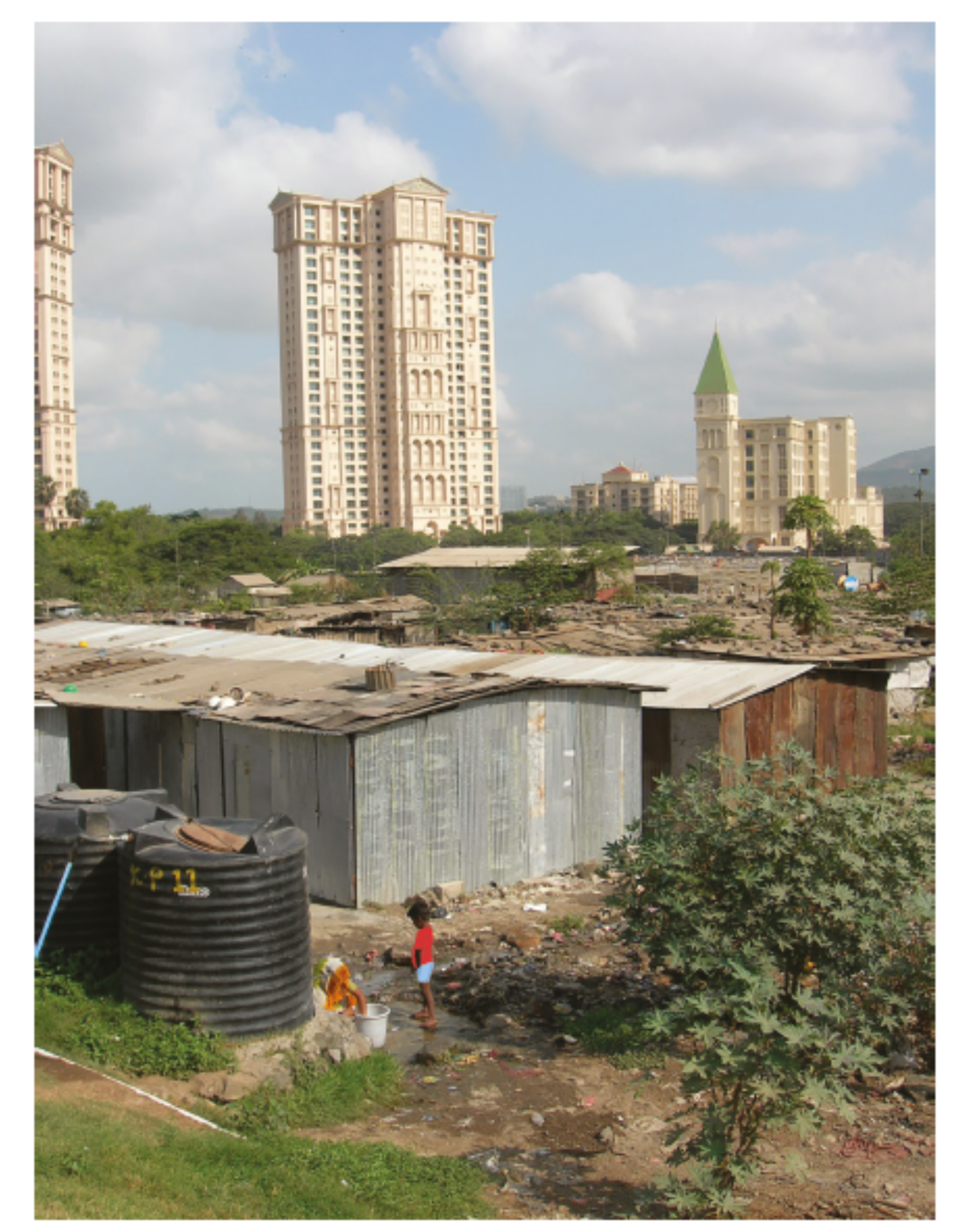
*Fig. 5.2 *
Using evidence from Fig. 5.2, suggest what inequalities exist in Mumbai.
19 questions · 83 marks · ≈ 1 hours
Study Fig. 5.2, a photograph taken in Mumbai, India.
*Fig. 5.2 *
Using evidence from Fig. 5.2, suggest what inequalities exist in Mumbai.
What is meant by the term 'development gap'?
Give two environmental reasons why some countries develop more slowly.
Identify two features of low-income countries (LICs).
Describe three problems caused by the development gap.
Study Fig. 5.2, which shows indicators of development for selected countries in Africa.
| Country | Life expectancy (years) | Energy use per person (kg of oil equivalent) | Number of doctors (per 100 000 people) | Adult literacy (%) |
|---|---|---|---|---|
| Angola | 55 | 606 | 8 | 67 |
| Egypt | 73 | 735 | 212 | 58 |
| Ethiopia | 61 | 299 | 3 | 43 |
| Kenya | 64 | 494 | 13 | 85 |
| South Africa | 50 | 2587 | 69 | 87 |
| Tanzania | 61 | 465 | 2 | 78 |
| Uganda | 54 | 776 | 5 | 70 |
Fig. 5.2
Identify the country which:
Explain why there may be inequalities in levels of development within a country.
Explain why there are inequalities in wealth between countries.
Study Fig. 5.2, which shows indicators of development for selected countries in Africa.
| Country | Life expectancy (years) | Energy use per person (kg of oil equivalent) | Number of doctors (per 100 000 people) | Adult literacy (%) |
|---|---|---|---|---|
| Angola | 55 | 606 | 8 | 67 |
| Egypt | 73 | 735 | 212 | 58 |
| Ethiopia | 61 | 299 | 3 | 43 |
| Kenya | 64 | 494 | 13 | 85 |
| South Africa | 50 | 2587 | 69 | 87 |
| Tanzania | 61 | 465 | 2 | 78 |
| Uganda | 54 | 776 | 5 | 70 |
Fig. 5.2
Which country, listed in Fig. 5.2, do you consider to have the highest level of development?
Justify your answer.
Explain how being landlocked can affect a country’s development.
Describe two social factors that can widen the development gap.
Suggest one reason why some countries move from LIC to MIC status.
Explain one reason why classifying countries only by income can be misleading.
Assess how environmental factors can contribute to uneven development.
Evaluate the role of colonial history in creating uneven development today.
Assess the extent to which social factors explain uneven development between countries?
Assess why global classifications of LICs, MICs, and HICs are often contested.
Evaluate how economic factors widen the development gap between LICs and HICs.
Assess how the choice of development indicators can affect how the global development gap is understood.