13 markseasy
Study Figs. 5.2, 5.3 and 5.4, which are photographs showing different employment sectors.
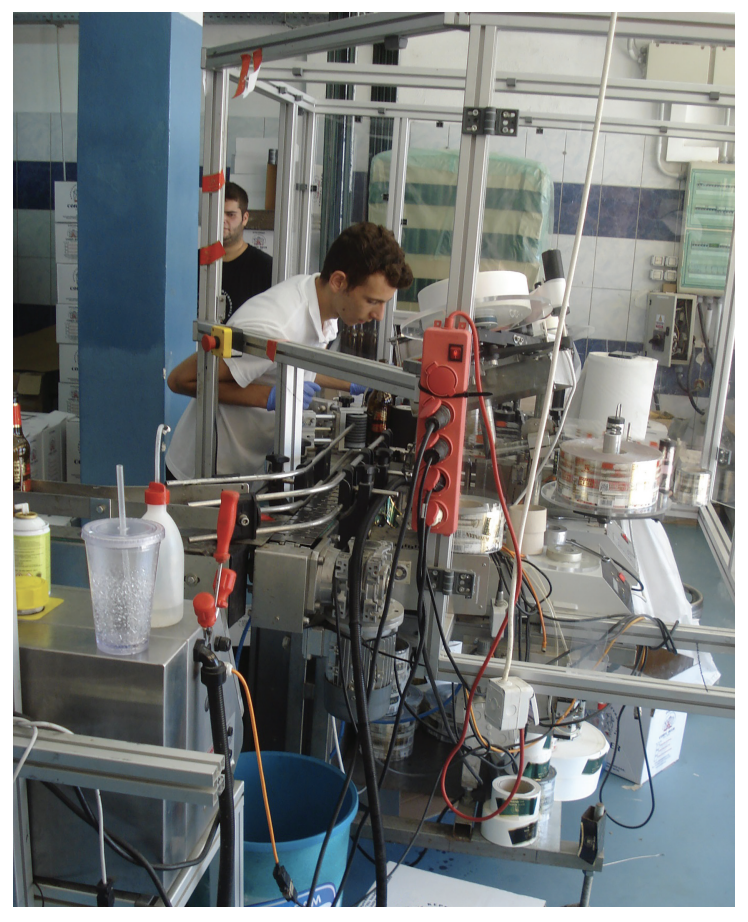
Fig. 5.2
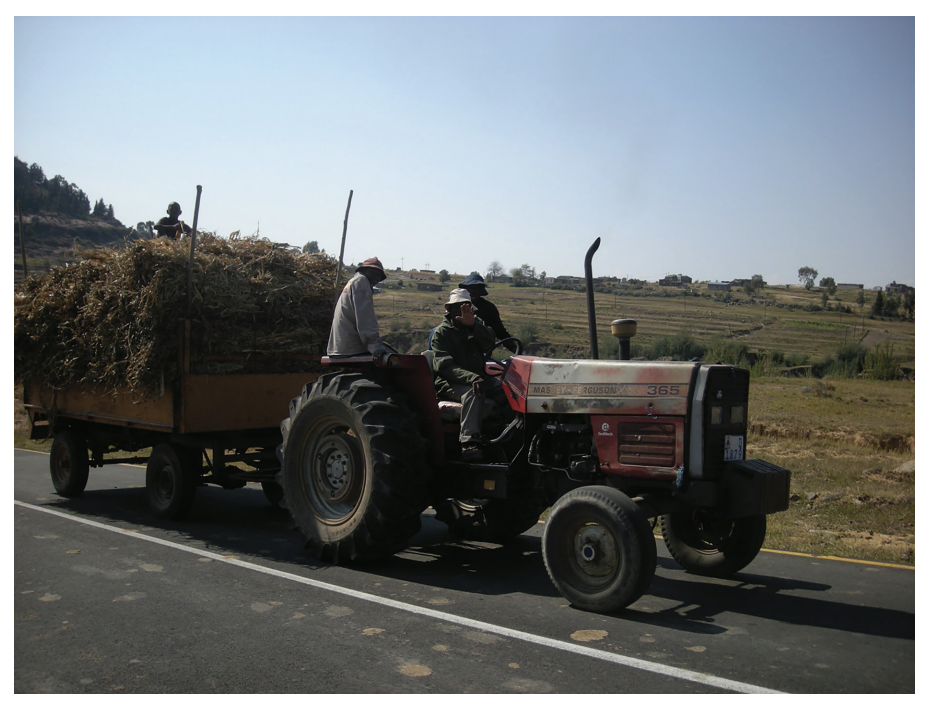
Fig. 5.3
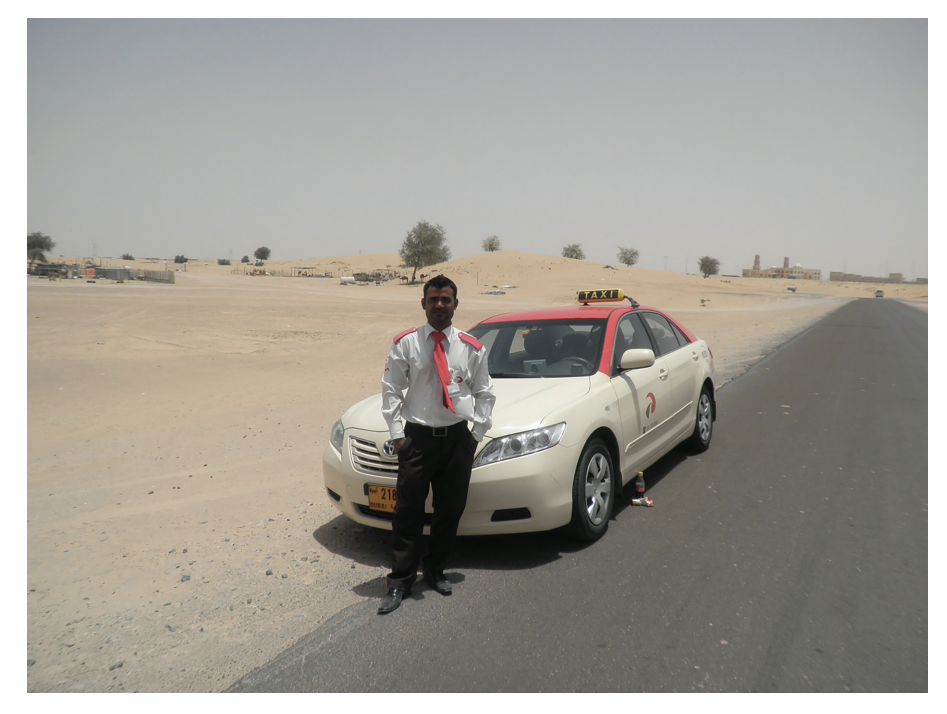
Fig. 5.4
Identify the employment sectors shown in each of Figs. 5.2, 5.3 and 5.4.
14 questions · 70 marks · ≈ 70 min
Study Figs. 5.2, 5.3 and 5.4, which are photographs showing different employment sectors.
Fig. 5.2
Fig. 5.3
Fig. 5.4
Identify the employment sectors shown in each of Figs. 5.2, 5.3 and 5.4.
Identify what is meant by an economic sector.
Choose your answer
The chain of production in manufacturing
An economic shift in employment
A classification of types of employment
A classification of employment structures
Study Fig. 6.1 shows the employment structures of Germany (an HIC) and Egypt (an LIC) in 1960, 1985, and 2010.
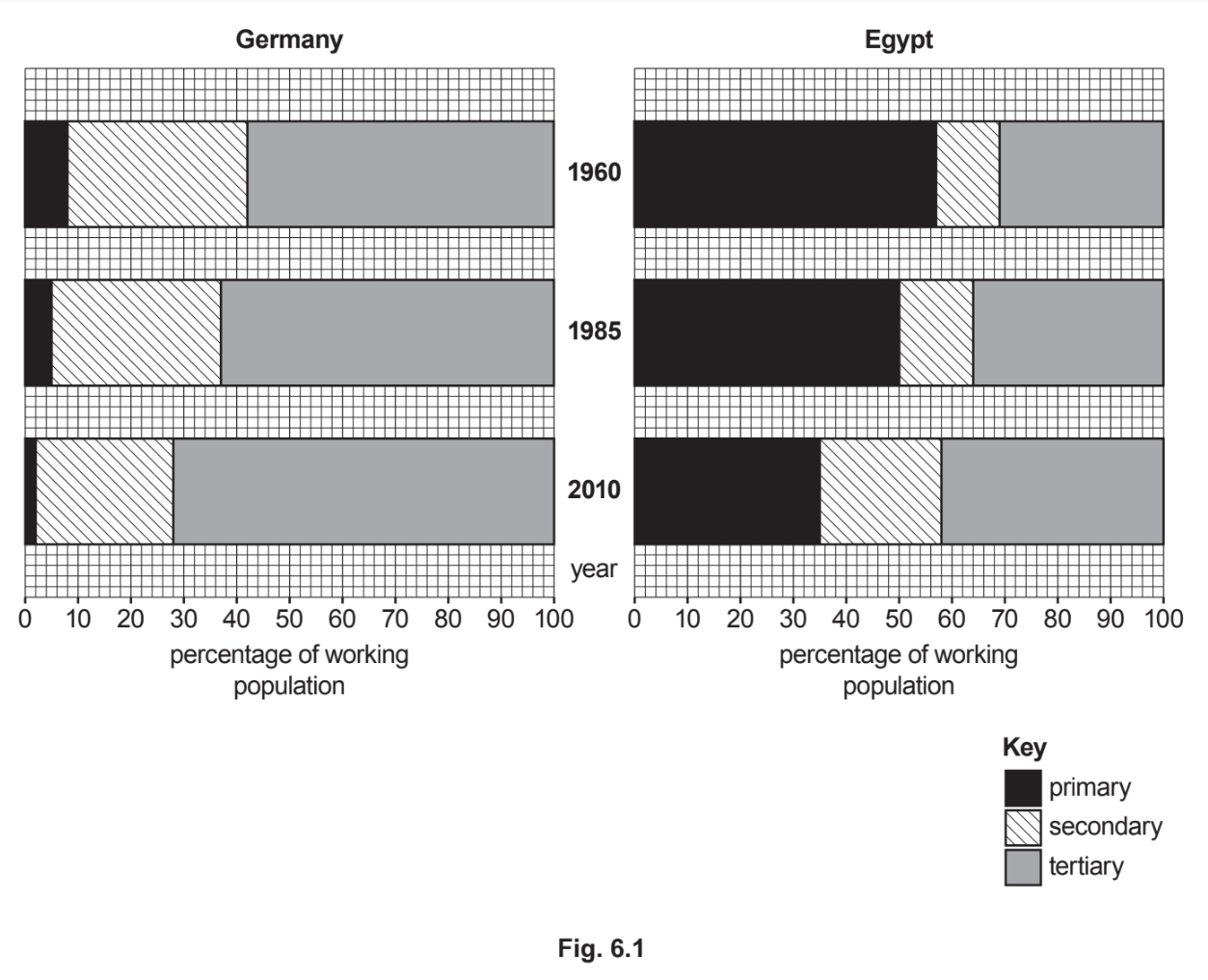
What percentage of the working population was employed in the primary sector in Egypt in 1960?
Extract:
Study Fig. 6.1 shows the employment structures of Germany (an HIC) and Egypt (an LIC) in 1960, 1985, and 2010.
Identify one similarity and one difference between the employment structures of Germany and Egypt in 2010.
Similarity .......................
Difference .........................
Extract:
Study Fig. 6.1 shows the employment structures of Germany (an HIC) and Egypt (an LIC) in 1960, 1985, and 2010.
Suggest reasons for the decline of employment in secondary industry in Germany since 1985.
Identify one physical and one economic factor that affects an industry's location?
Explain why the employment structure of a country is a good indicator of its level of development.
Explain why employment in the primary sector is high in many low-income countries (LICs).
Suggest reasons for the decline of secondary industry in many high-income countries (HICs).
Study Fig. 1, the Clark-Fisher model.
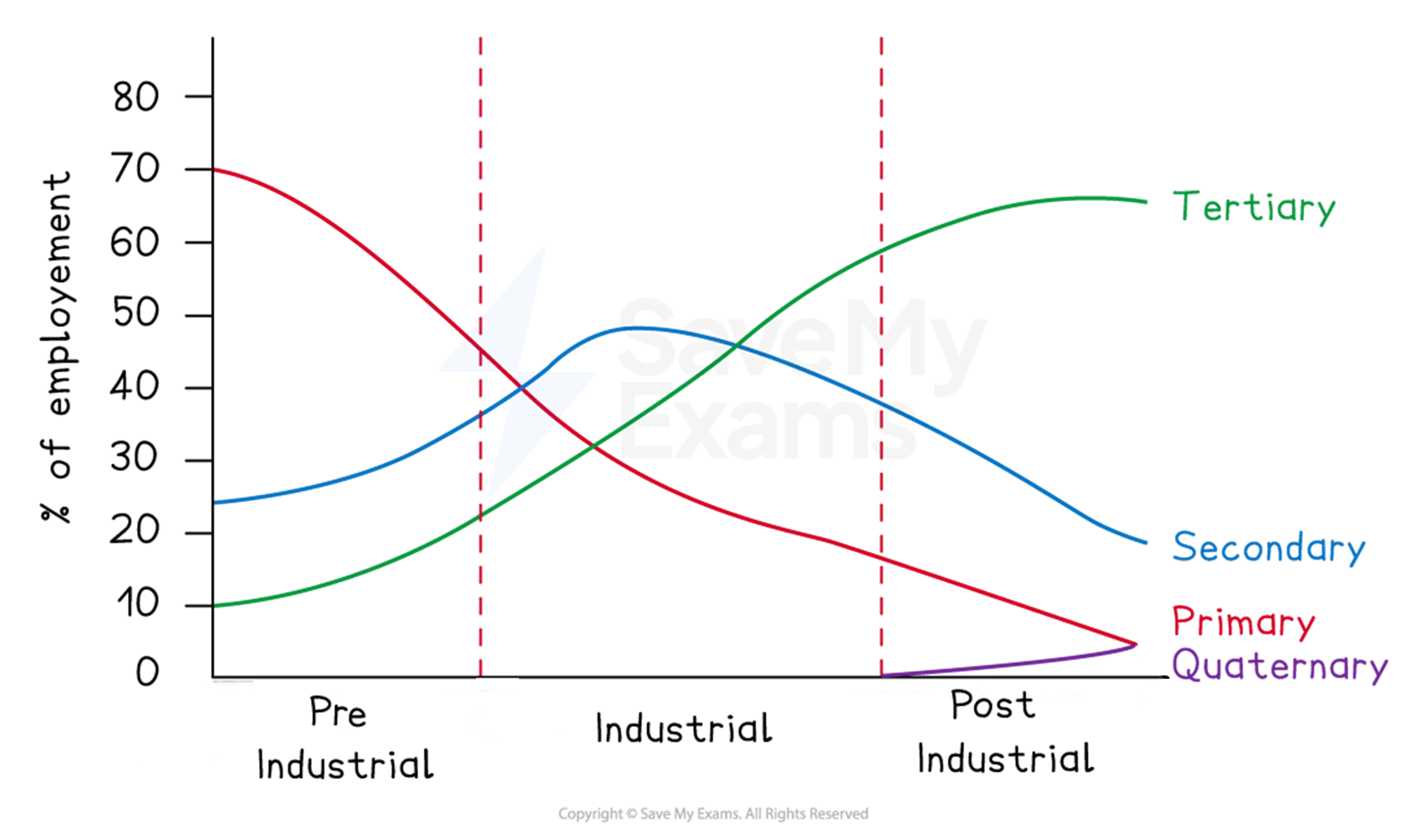
Using Fig. 1, describe how employment structure changes as countries develop.
Suggest reasons why MICs often experience rapid growth in secondary sector employment.
Evaluate the usefulness of employment structure data in showing a country’s level of development.
Assess the impacts of deindustrialisation on people and places in HICs.
Evaluate the extent to which globalisation is responsible for changing employment structures in MICs?
Evaluate the social and economic impacts of growth in the tertiary and quaternary sectors in HICs.
Assess the extent to which mechanisation changes employment structures in LICs and MICs.