Ethical Issues (Cambridge International IGCSE Business)
Introduction to ethical issues
-
Ethical issues in business are about doing what is morally right and fair—not just what is legal or profitable
- These issues can relate to how a business treats its employees, customers, suppliers and the environment
-
Businesses face ethical decisions in areas such as
- Paying fair wages
- Avoiding child labour
- Treating workers and suppliers fairly
- Sourcing materials responsibly
Why ethical issues matter
-
Reputation and trust
- Customers are more likely to support businesses that act responsibly
- Ethical behaviour helps build trust and a positive image
-
Customer loyalty
- Ethical businesses often gain more loyal customers, especially as more people want to buy from companies that share their values
-
Employee morale
- Treating workers fairly can improve motivation, productivity and staff retention
-
Avoiding legal trouble
- Unethical behaviour—even if not illegal—can lead to public backlash, boycotts or changes in the law
Exam Hint A common misconception is that ethics and law are the same. They’re not.
Legal controls are enforced by governments, while ethical behaviour is voluntary. Examiners want you to recognise that businesses may act ethically even when not legally required
Child labour
Spec point — "ethical issues which may affect businesses, e.g. child labour, paying fair wages to employees, paying fair prices to suppliers, using suppliers who do not damage the environment • how businesses may respond to ethical issues"
Child labour
-
Child labour is when children are employed in work that is harmful, prevents them from going to school or involves long hours in poor conditions
-
It often happens in low-income countries where families need money and laws are not strongly enforced
- Nestlé has faced criticism for using cocoa suppliers in West Africa where child labour is common
- H&M and Zara have been linked to factories in countries like Bangladesh and India, where underage workers have been found
-
Child labour is an important ethical issue because
- It exploits children who should be in education, not working
- It often involves unsafe working conditions, low pay and long hours
- It can damage a business’s reputation if exposed by the media or pressure groups
- Customers, especially in developed countries, may choose to boycott products linked to child labour
How businesses avoid links to child labour
- Carry out supplier checks and audits *to prevent child labour
- Work with charities or governments to support education programmes
- Use certified suppliers (e.g. Fairtrade or Rainforest Alliance)
- Be transparent with customers about how and where products are made
Case Study IKEA and Child Labour Concerns
In the 1990s, IKEA faced serious criticism after reports revealed that some of its carpet suppliers in India and Pakistan were using child labour
The news damaged IKEA’s reputation, especially since it promotes itself as an ethical and responsible brand
How IKEA responded
IKEA took the accusations seriously and introduced several changes to prevent child labour in its supply chain
- It began working closely with UNICEF to help reduce child labour in South Asia by supporting access to education and healthcare
- It created a strict code of conduct for all suppliers, banning child labour and requiring regular inspections
- IKEA launched its IWAY policy, which includes social and environmental standards that all suppliers must follow
- It increased transparency by publishing regular reports on progress and challenges
Outcomes
- IKEA improved its public image and regained customer trust
- The company became known as a leader in ethical supply chain management
- Its partnership with UNICEF contributed to long-term projects that helped reduce child labour in several communities
Fair wages
-
Fair wages mean paying workers an amount that reflects the work they do and allows them to meet their basic needs, such as food, housing and healthcare
-
Paying fair wages is an important ethical issue because
- In many low-income countries, workers are paid very low wages, often not enough to live on
- Businesses that pay unfair wages may be seen as exploiting cheap labour, even if it's legal
- Poor pay can lead to low motivation, poor working conditions and high staff turnover
- Customers and pressure groups may criticise or boycott companies that do not treat workers fairly
Fair prices
Paying fair prices to suppliers
-
Paying fair prices means that businesses give suppliers, often farmers or small producers in developing countries, a price that covers the cost of production and provides a reasonable profit
- This helps them earn a sustainable income and improve their quality of life
-
Paying fair prices is an important ethical issue because
- Many large businesses pay very low prices to suppliers, especially in countries with weak regulations
- Low prices can lead to poverty, poor working conditions and lack of investment in farms or small businesses
- Unfair pricing can force suppliers into unsustainable practices, like overusing land or underpaying workers
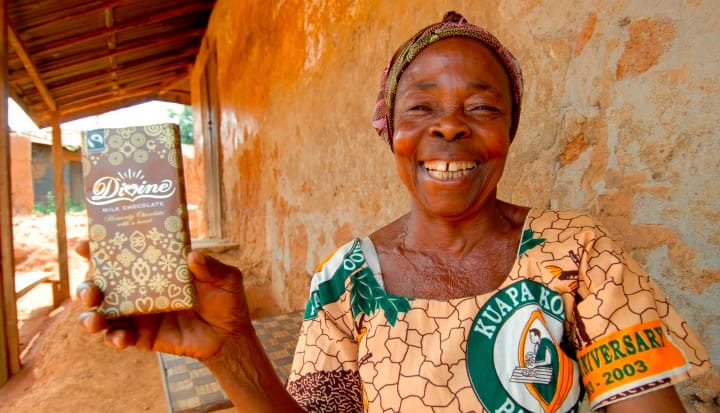
Case Study Divine Chocolate in Ghana
Many cocoa farmers in Ghana receive very low prices for their cocoa beans, even though chocolate companies make large profits. This has caused poverty and poor living conditions for farming communities
Divine Chocolate is a UK-based company that sources its cocoa from Kuapa Kokoo, a Ghanaian farmers’ cooperative
Devine's approach
- Divine pays a fair trade price for cocoa, which is higher than the market rate and includes a Fairtrade Premium to support community projects
- Farmers also own shares in the company, which gives them a voice in decision-making and a share of the profits
Outcomes
- Farmers benefit from higher incomes, better tools, and education and health projects funded by the premium prices paid for cocoa
- Divine has built a strong brand that attracts customers who care about fair trade
- The company has helped raise awareness of the challenges faced by cocoa farmers and inspired change in the wider chocolate industry
Choosing environmentally friendly suppliers
-
This involves working with businesses that use sustainable materials, produce goods with low environmental impact and follow green practices, such as reducing pollution or waste
-
Choosing environmentally friendly suppliers is an important ethical issue because
- Some suppliers use harmful chemicals, cut down rainforests or produce high carbon emissions
- Businesses that buy from these suppliers may be seen as supporting environmental damage
- Customers, pressure groups, and governments increasingly expect businesses to make eco-friendly choices throughout their supply chains
Benefits of choosing green suppliers
- It improves the company’s reputation with environmentally conscious customers
- It helps reduce the overall environmental impact of products and therefore prevent negative media coverage or boycotts
- It may make the business more attractive to investors or retailers with sustainability standards
Advantages and disadvantages of being ethical
- Many businesses today choose to act ethically by treating workers fairly, protecting the environment, and being honest with customers
- While ethical behaviour can bring important benefits, it may also lead to some challenges and higher costs
Evaluating ethical business behaviour
| Advantages | Disadvantages |
|---|---|
| - Improved reputation - Ethical businesses are viewed more positively by customers, the media and investors - Customer loyalty - Consumers are more likely to support and return to businesses that share their values - Attracting employees - Workers may be more motivated and proud to work for a company with strong values - Long-term success - Ethical practices can lead to stronger brands and better relationships with communities | - Higher costs - Paying fair wages, using sustainable materials, or choosing ethical suppliers can increase production costs - Higher prices - Ethical products often cost more, which may reduce sales if customers are not willing to pay extra - Harder to find suppliers - It can be difficult to find ethical suppliers, especially in certain industries or countries - Slower decision-making - Ethical businesses may take longer to make choices, as they consider social and environmental impacts |
Was this revision note helpful?